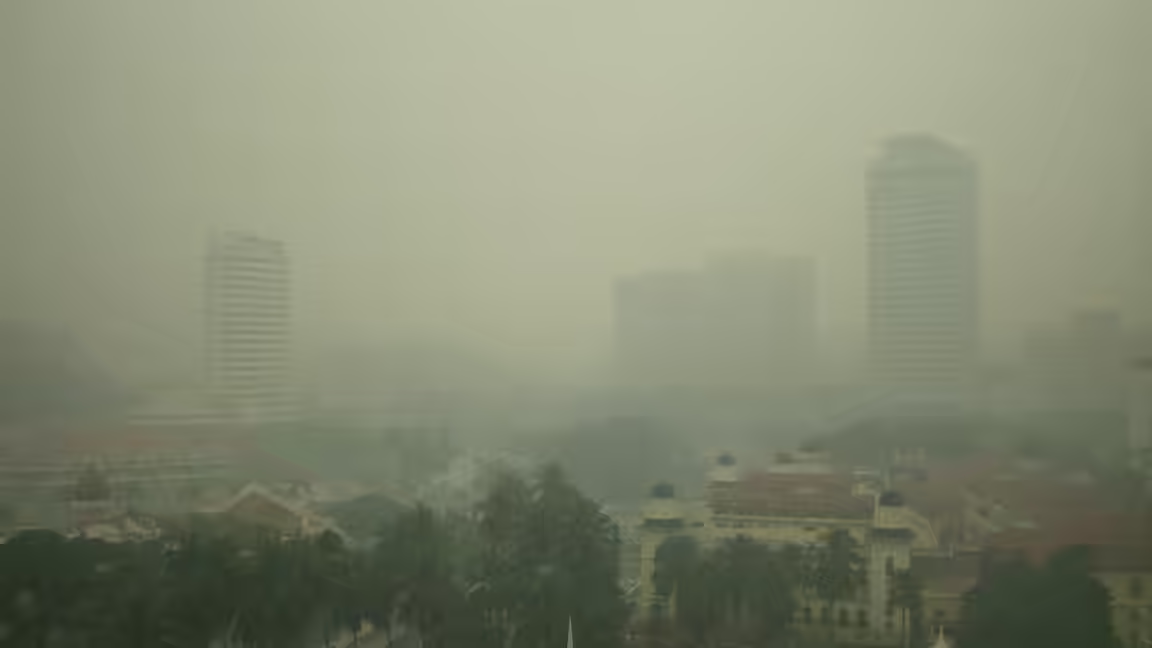
Authorities in Lahore ordered all primary schools to close for one week after air pollution rose to unprecedented levels, placing Pakistan's second-largest city at the top of a global ranking of the world's most polluted cities for a second time that Sunday.
Data from IQAir showed Lahore's air quality index had exceeded 1,000 on Saturday, the BBC reported. That was far above the level of 300 described in the report as dangerous under a World Health Organization benchmark. Geo News independently reported another reading above 1,000 and said smog had reduced visibility to zero. The supplied evidence does not substantiate the discovery note's higher figure of 1,900.
The school closure was due to begin Monday. As part of what officials called a green lockdown, half of office employees were also directed to work from home. Authorities banned engine-powered rickshaws and unfiltered barbecue vendors, halted construction in some areas and used vehicles fitted with pumps to spray water into the air. Residents were urged to remain indoors and avoid unnecessary travel.
Punjab Senior Minister Marriyum Aurangzeb said masks should be mandatory in schools because children were particularly vulnerable. Officials planned to reassess conditions the following Saturday before deciding whether the closure should continue. Students had already been barred from outdoor exercise until January, and school hours had been changed to reduce travel during peak pollution.
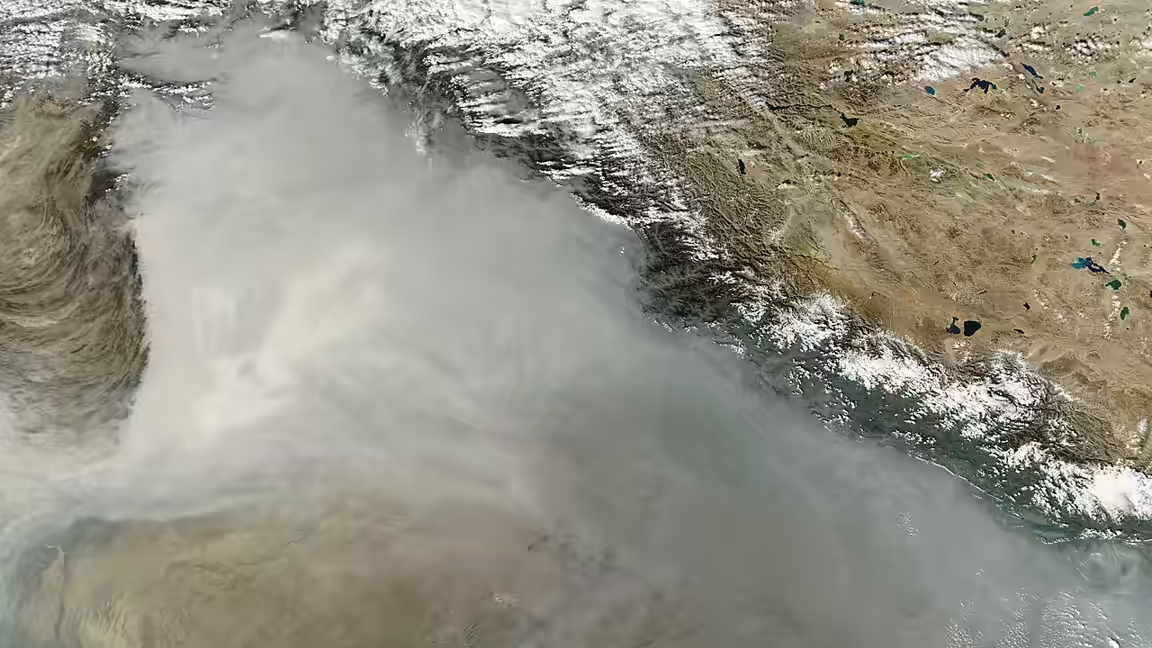
Raja Jehangir Anwar, a senior environmental official, identified the burning of crop residue across the Indian border as the biggest source of the episode. Aurangzeb said strong winds carried smoke into Pakistan and argued that talks with India were necessary. Those statements were the provincial government's assessment; the supplied reports did not establish stubble burning as the sole cause.
Winter commonly worsens Lahore's smog because colder, denser air traps pollutants near the ground. The BBC said concentrations of fine particles, among the pollutants most harmful to health, had reached hazardous levels. The WHO links exposure to toxic air with strokes, heart disease, lung cancer and respiratory illness.
The week-long closure was an emergency response to measured pollution above 1,000, not evidence for the unsupported 1,900 figure. It also showed officials balancing immediate limits on movement and economic activity with a pollution problem that crossed administrative and national borders.