# Eight members of same family die after car plunges into Kohistan ravine
*Event date: 2025-05-02*
Eight members of the same family were killed when a car plunged into a ravine in Lower Kohistan district of Pakistan’s Khyber Pakhtunkhwa province, according to Pakistan Today. The crash happened along the Karakoram Highway and left no survivors inside the vehicle, rescue officials said.
The report said the vehicle lost control before falling into a gorge. Rescue-1122 officials said the people inside included three women and four children, and that all eight occupants died on impact or from the severity of the fall. The family had been traveling from Lower Kohistan to Gilgit for a recreational trip when the vehicle went off the road.
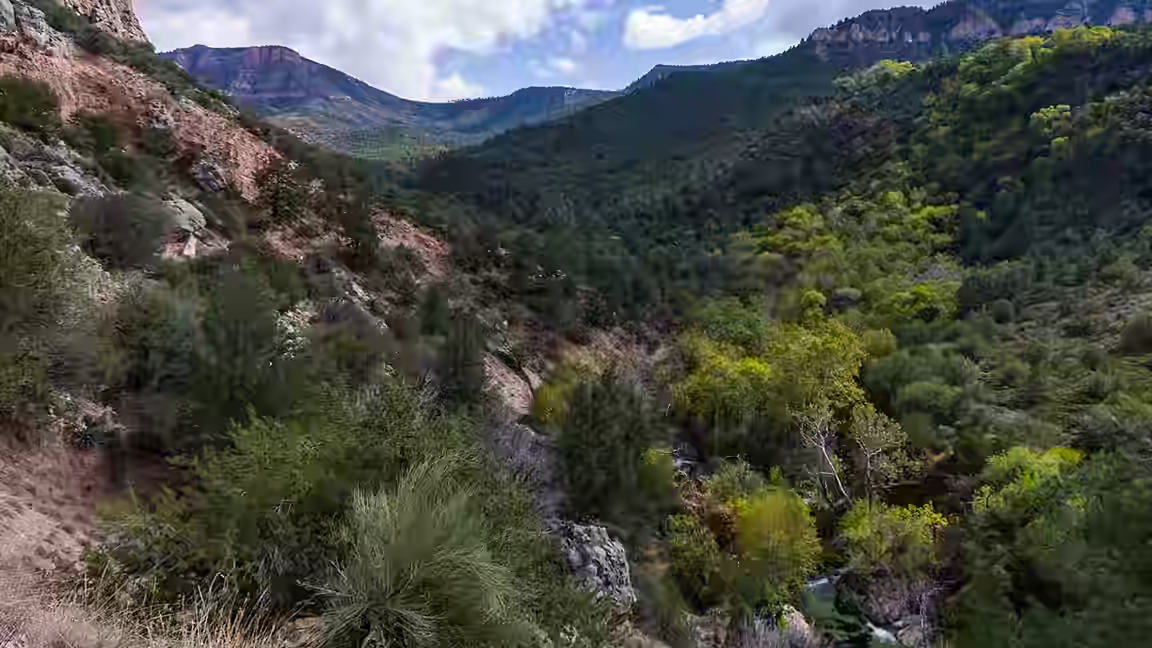
The location and scale of the crash matter here. The Karakoram Highway is a major mountain route, and a loss of control on a road of that sort can quickly turn into a fatal plunge. In this case, rescue personnel and highway patrolling police rushed to the site and transferred the bodies to a nearby hospital. Officials also said the exact cause of the crash was still under investigation.
Pakistan Today reported that the deceased belonged to Kamalabad and Tulsa village in Rawalpindi, and that the Lower Kohistan administration was helping arrange the transfer of the bodies back to Rawalpindi. Funeral prayers were expected to be held in Tulsa village and Chakri, according to the authorities quoted in the story. Those details underline how the accident extended far beyond the mountain road itself, reaching families and communities far from the crash scene.
The report also noted that the same outlet covered other fatal road incidents in Karachi and Khairpur on the same day. For this article, the key verified facts are narrower: eight relatives dead, a vehicle off the road in Lower Kohistan, and rescue officials saying the car plunged into a ravine after losing control. The surviving administrative and family steps now revolve around recovery and repatriation, not rescue.
Road deaths in mountainous regions often combine difficult terrain, weather, driver error and road conditions into a single tragic outcome. The source packet does not pin the crash on any one factor, and that restraint should be preserved. What can be said with confidence is that a family trip on one of Pakistan’s most important highways ended with eight deaths and a long logistical process to bring the victims home.
Mountain road crashes often leave investigators with little physical margin to work with, especially when a vehicle falls into a gorge. In this case, the fact that the entire family was traveling together adds another layer of tragedy, because a single mechanical or driving failure erased an entire trip in one instant. The report is careful not to assign fault, and that restraint should remain in the published version.
The packet does not support a larger theory beyond that immediate toll, and that is why the article stays close to the scene, the confirmed casualties and the official descriptions supplied in the source. In a fast-moving event like this, precision matters more than padding, and the verified facts are sufficient to carry the report.