At least 14 people died after consuming toxic liquor in villages near Amritsar on the event date of May 13, 2025, according to the supplied report, which said several other people were hospitalized in critical condition as authorities moved to contain the fallout.
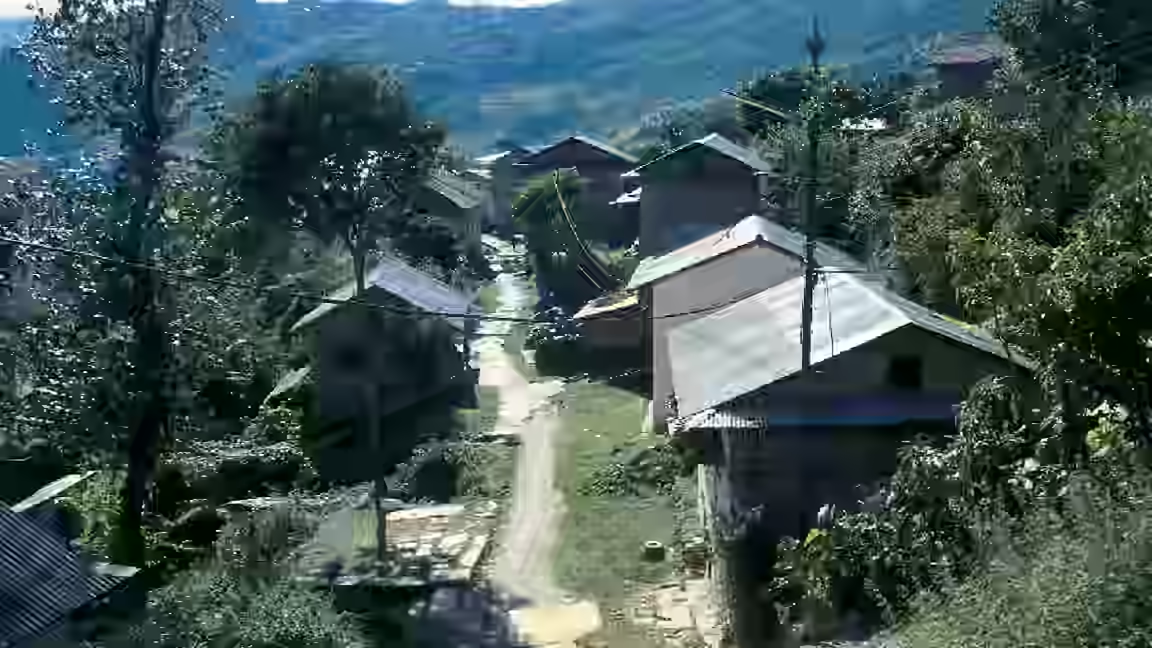
The article said the victims had consumed the liquor in villages roughly 19 kilometers from the city of Amritsar in Punjab. Senior police officer Maninder Singh said seven people had been arrested on allegations that they supplied the contaminated alcohol across five villages. He also said police had begun a crackdown to dismantle the local network dealing in spurious liquor after the deaths.
Local administration officials treated the incident as an active public-health and law-enforcement emergency rather than a closed fatality count. Sakshi Sawhney, a senior government official in Amritsar, said medics had been deployed to the affected villages to identify people who drank the liquor. Those showing symptoms were being moved to hospitals in an effort to keep the death toll from rising.
The report said at least six people were hospitalized in critical condition. That detail emphasized the instability of the situation on the event date. Even as the first deaths were being confirmed, authorities were still trying to find others who might deteriorate without rapid treatment. The packet did not identify the exact toxic ingredients believed to have caused the deaths and illness, noting only that investigators had not yet specified what was in the liquor.
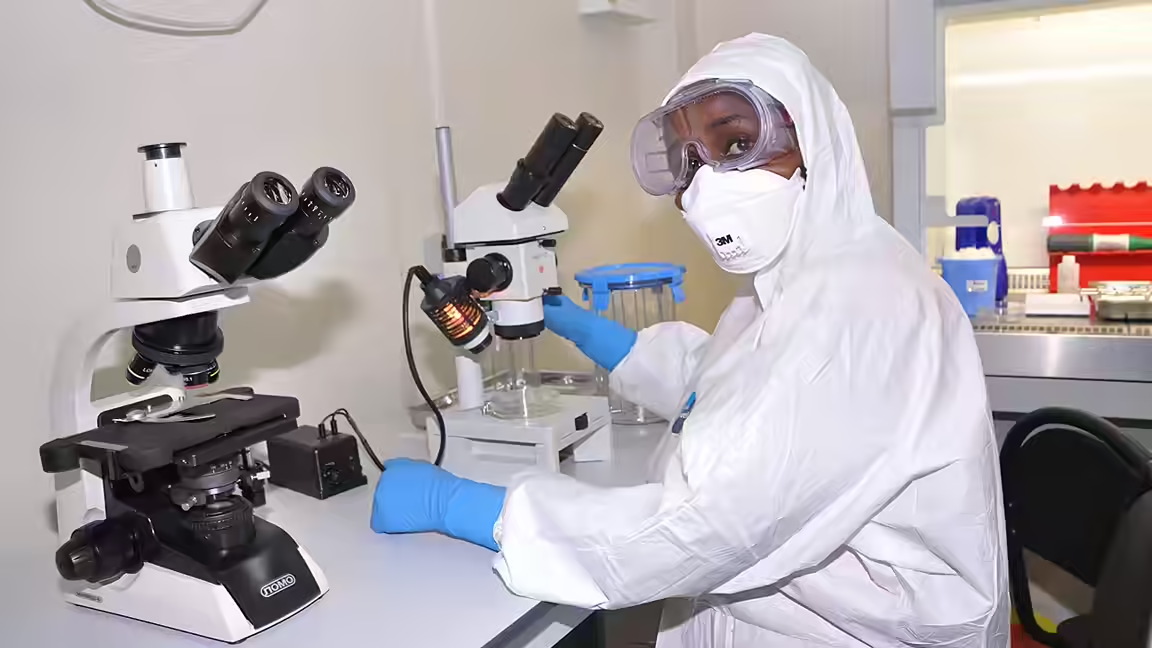
That gap is common in the early hours of mass poisoning cases, but it is also central to the danger. Without a confirmed chemical explanation, officials often have to work backward through supply chains and village networks while also warning residents and locating potential victims. The AP account supports that picture: arrests had been made, but the investigation into the composition of the drink was still incomplete.
The source also placed the episode in a wider Indian context. Deaths from contaminated locally made liquor are recurrent, particularly in rural areas. That background matters because it shows the Amritsar-area deaths were not a one-off anomaly in an otherwise tightly controlled market. They fit a broader pattern in which illegal or adulterated alcohol repeatedly reaches consumers with lethal consequences.
Even within that pattern, the human toll described in the packet was severe. Families were mourning in Majitha village and surrounding communities while police tried to trace the supply line. The state's immediate response combined arrests, medical deployment and a promise to destroy the distribution network. Based on the supplied evidence, however, those measures came only after at least 14 people had already died.
On the event date, the core verified story was stark and unfinished at the same time: contaminated liquor had killed at least 14 people, more were critically ill, and authorities were racing to keep the toll from climbing while trying to identify exactly what had been sold and by whom. The assigned evidence packet does not support firmer conclusions beyond those verified event-date facts. No additional corroborated names, timelines, motives, mechanisms or official findings were available in the materials attached to this shard.