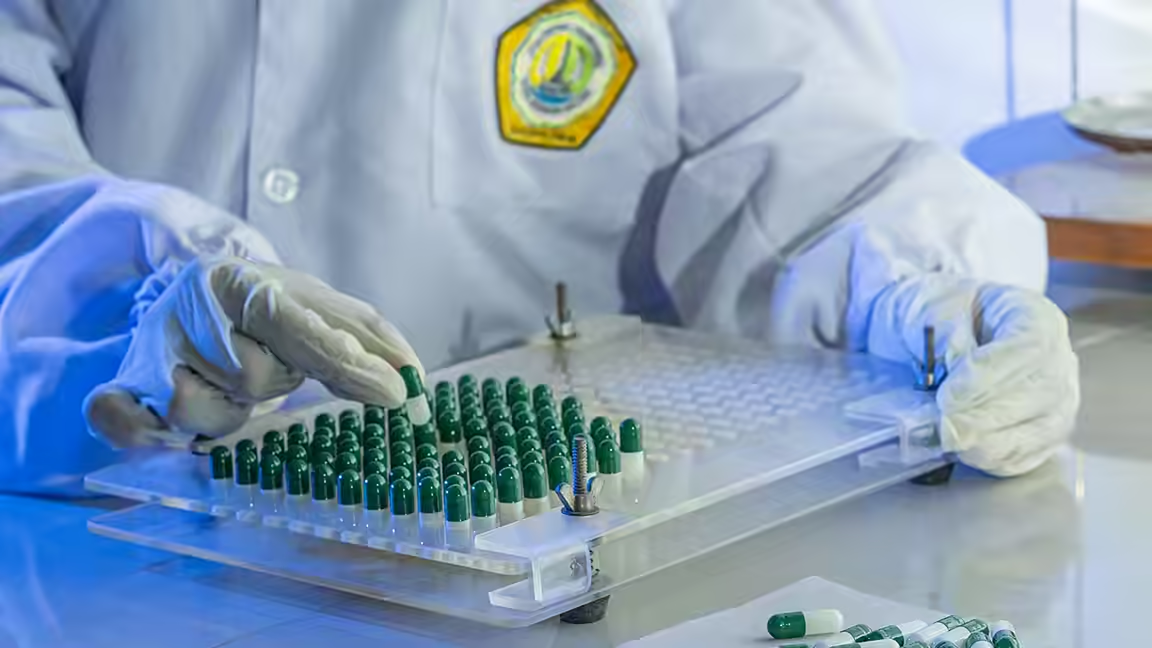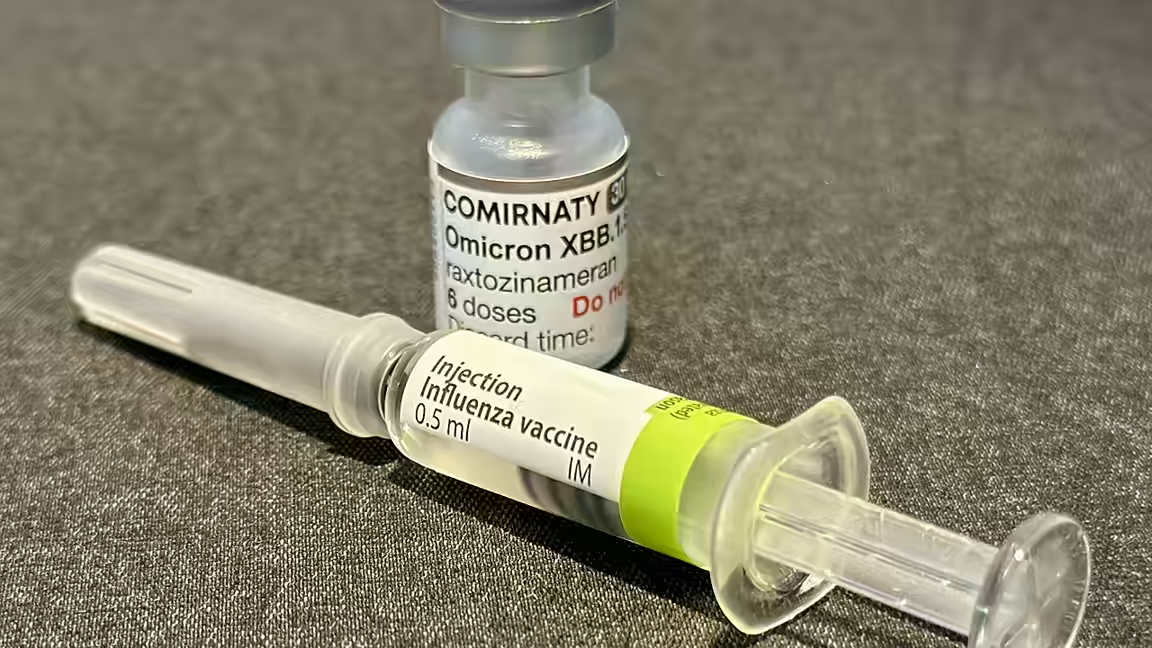
NHS England announced that it would begin the world’s first routine gonorrhoea vaccination programme in early August, targeting people considered at higher risk of the sexually transmitted infection.
The programme was set to use 4CMenB, an existing vaccine developed against meningococcal B disease. The bacteria responsible for meningitis B and gonorrhoea are sufficiently related for the vaccine to offer partial protection against gonorrhoea. UK Health Security Agency research suggested protection could reach 40%, while the BBC reported an estimated effectiveness range of 30% to 40%.
Eligibility was expected to include gay and bisexual men with a recent history of multiple sexual partners or another sexually transmitted infection. Clinicians at local authority-commissioned sexual-health services could also offer it to other patients judged to face a similarly high risk. The vaccine was not intended for universal use.
England recorded more than 85,000 gonorrhoea diagnoses in 2023, the highest annual figure since records began in 1918 and three times the 2012 total, according to NHS England. The programme also aimed to limit the spread of antibiotic-resistant strains as the infection becomes harder to treat.
The vaccine would reduce risk rather than eliminate it. Gonorrhoea may cause no symptoms, allowing transmission without a person knowing they are infected. Reported symptoms can include painful urination, discharge and pain in the testicles or lower abdomen. NHS England said untreated infection can also cause serious problems affecting the eyes, testicles or prostate, a risk independently noted by The Week.
Imperial College London-led modelling suggested that, if uptake were high and the programme continued, 4CMenB could prevent as many as 100,000 cases and save the NHS more than £7.9 million over ten years. Those were conditional projections, not guaranteed outcomes.
Eligible patients attending for the gonorrhoea vaccine were also to be offered mpox, hepatitis A and B, and HPV vaccinations where appropriate. Important uncertainties remained, including how many people would accept 4CMenB, how long protection would last and whether booster doses would be needed.
The August rollout therefore represented a public-health first, but not a complete vaccine against infection. Its expected value lay in reducing cases among those at greatest risk while easing pressure from record diagnoses and drug resistance.