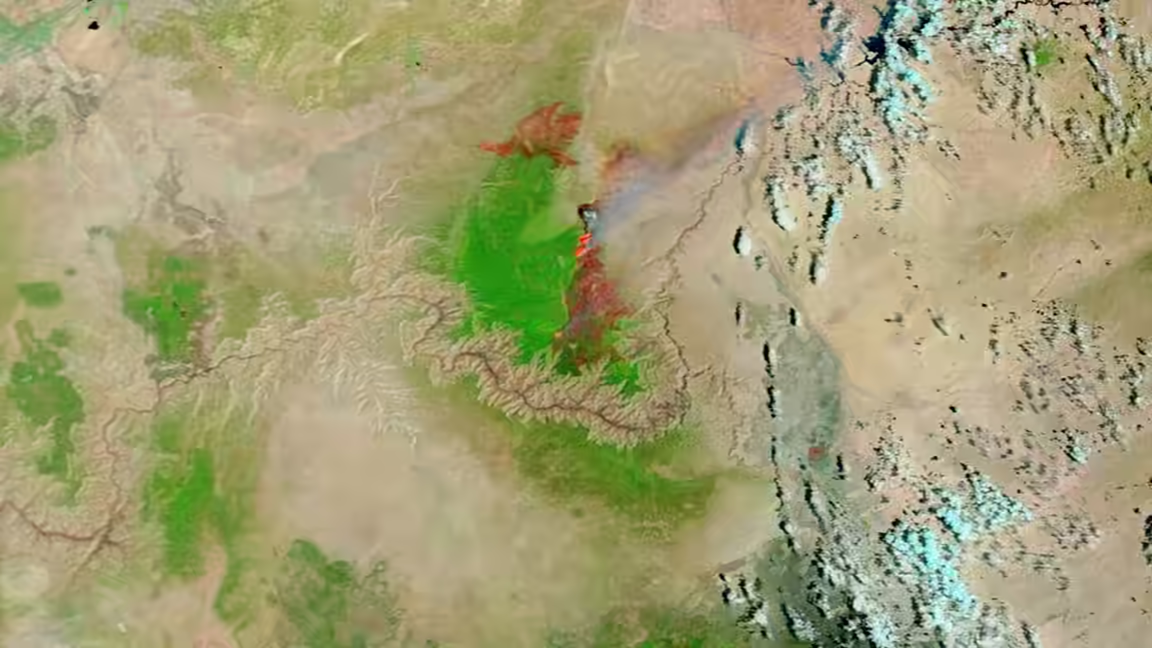
A fast-moving wildfire destroyed the Grand Canyon Lodge and dozens of other structures on the North Rim, forcing the park to close access to that area for the rest of the season.
Grand Canyon National Park Superintendent Ed Keable told residents, staff and others in a Sunday meeting that the lodge, the only lodging inside the park at the North Rim, had been consumed by flames. The park said the losses also included the visitor center, a gas station, a wastewater treatment plant, an administrative building and employee housing. Officials said between 50 and 80 structures were lost, along with “numerous” historic cabins.
The fire that caused the damage was the Dragon Bravo Fire, one of two blazes burning at or near the North Rim. It began with lightning on July 4 and was first handled under a “confine and contain” strategy aimed at limiting fuel. As temperatures climbed, humidity fell and wind gusts strengthened, officials shifted a week later to more aggressive suppression after the fire expanded rapidly.
The destruction hit a location that was central to the North Rim visitor experience. The lodge sat at the end of the road and was often the first major landmark guests saw. Its design, with a sloped roof, huge ponderosa beams and a limestone facade, helped define the North Rim’s identity. Visitors could walk through the lobby and descend to the Sun Room for their first framed view of the canyon.
The building was also historically layered. An original lodge burned in a kitchen fire in 1932, four years after construction was completed, and the redesigned lodge using the original stonework opened in 1937. The Grand Canyon Historical Society said the site may have contained valuable archives, and the lobby housed a 600-pound bronze statue of a donkey named Brighty the Burro.
Aramark, which operated the lodge, said all employees and guests had been safely evacuated. That is important because the North Rim evacuation happened before the structure losses were fully confirmed, limiting the human toll even as the material damage mounted.
Arizona Governor Katie Hobbs called on the federal government to investigate the National Park Service’s response. The fire’s broader impact also extended beyond the lodge. Officials warned of potential chlorine gas exposure after the treatment plant burned, evacuated firefighters and hikers, and told rafters on the Colorado River to bypass Phantom Ranch.
The North Rim is the park’s quieter and more seasonal side, drawing fewer visitors than the South Rim, but the loss of its only lodge and key services is a severe blow. For now, the park’s challenge is suppressing the fire, containing further damage and accounting for what remains of one of the canyon’s most recognizable historic sites.