# Philippine House Elects Bojie Dy as Speaker After Romualdez Resigns
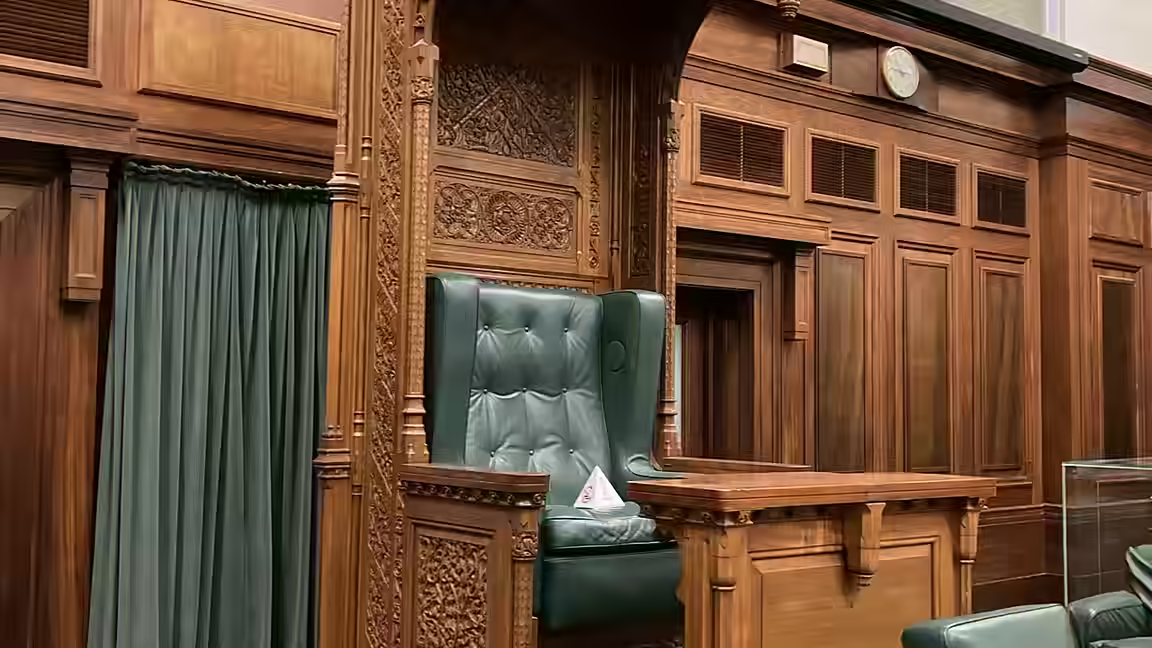
The Philippine House of Representatives elected Isabela 6th District Rep. Faustino “Bojie” Dy III as its new speaker on Sept. 17, 2025, after Leyte Rep. Martin Romualdez resigned from the post. DZRH reported that Dy won by a vote of 253-28, ending a leadership change that had been building around the chamber’s investigation into alleged irregularities in government infrastructure projects.
Romualdez said his resignation was necessary to protect the independence of the congressional inquiry. That framing matters because it places the change in leadership inside a larger effort to preserve the legitimacy of the probe. In effect, the House was trying to show that the inquiry would continue without being overshadowed by one of the political figures most closely associated with it.
Dy’s elevation was confirmed during the plenary session, and Deputy Speaker Ronaldo Puno earlier signaled the transition. The report says Dy had been a deputy speaker before moving to the top post, and his election was presented as a formal continuation of chamber business rather than a procedural emergency. The vote itself, however, shows that the chamber moved decisively.
The new speaker brings a long political resume. DZRH said Dy had previously served as governor of Isabela, represented the province in Congress from 2010 to 2019, and later served as vice governor before returning to the national legislature. He is also affiliated with the Partido Federal ng Pilipinas, the same political party as President Ferdinand Marcos Jr.
That background is relevant because House leadership in the Philippines is never just about procedure. It shapes how priorities move through the chamber, how investigations are managed and how the executive and legislative branches interact. A new speaker can change tone even if the policy agenda remains the same.
The report also notes that Dy comes from the powerful Dy political dynasty in Isabela, with several family members having held top provincial posts. That family network is part of the broader reality of Philippine politics, where local influence often feeds national power. It also means Dy arrives with his own base of support, not merely as a caretaker figure.
For the House, the immediate task is to keep legislating while the infrastructure inquiry continues. For Romualdez, the resignation creates distance from the chamber’s top office. And for Dy, the challenge is to maintain order in a period when anti-corruption questions are already dominating the political environment. The vote suggests he has the numbers. The harder test will be whether he can use them without weakening the inquiry that helped bring him there.


