# Colombia plane crash kills four in jungle flight to Mitú
A small aircraft crashed in a jungle area of southeastern Colombia, killing four people including three election officials and the pilot.
Event date
On 2025-11-10, a passenger Cessna 206 crashed in a jungle area of southeastern Colombia after losing contact minutes after takeoff toward Mitú, killing four people. The evidence packet says the victims included three officials from the National Registry and the pilot.
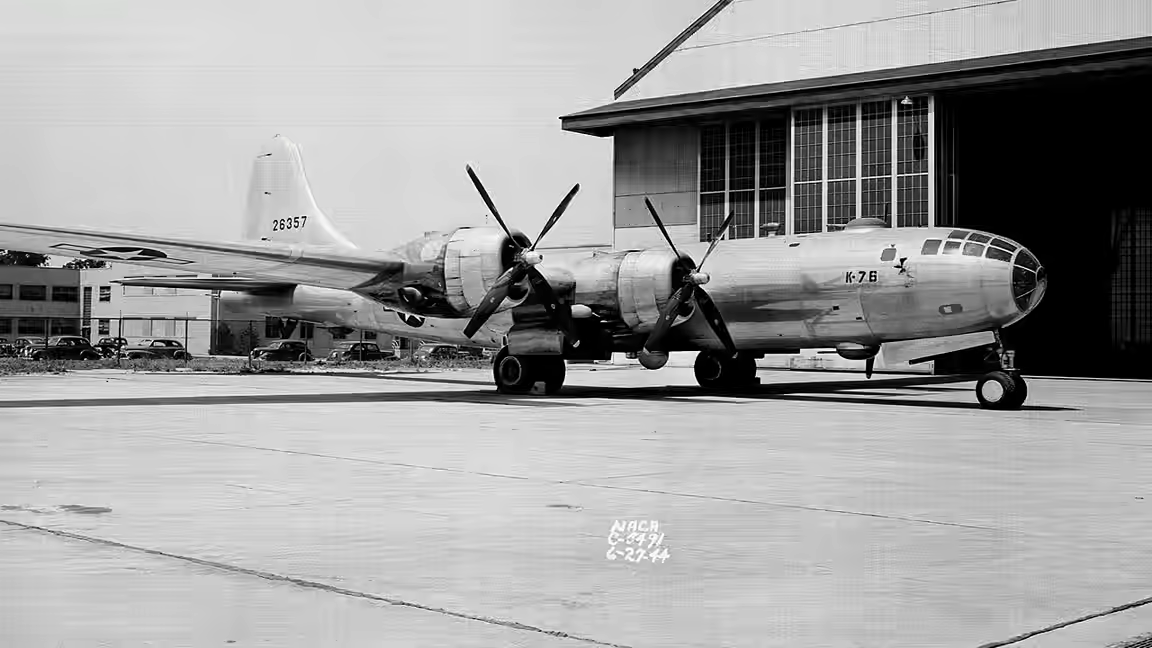
The report identifies the aircraft as HK 641, operated by Nativa Air, and says it was flying a route that connected Yavarate, Papunahua, Bocoa and Mitú. It also says the plane lost contact about two minutes after departing Bocoa, near the border with Brazil.
What makes the story particularly notable is the mission the passengers were on. The registry officials were travelling to register voters in remote communities ahead of Colombia’s 2026 elections. That gives the crash political significance beyond the immediate aviation disaster, because it interrupted a public service meant to reach isolated voters.
The evidence packet says the aircraft was found burned out and that officials presumed there were no survivors. It also provides the names of the dead: pilot Carlos Felipe Ramírez and registry workers Gabriel Gómez Sánchez, José Misael Silva Bernal and Nadia Valentina Valencia Yepes.
The source does not explain the cause of the crash. It does not say whether weather, terrain, mechanical trouble or navigation problems were under investigation. Nor does it give a rescue timeline beyond the initial search and confirmation that authorities were still working the site.
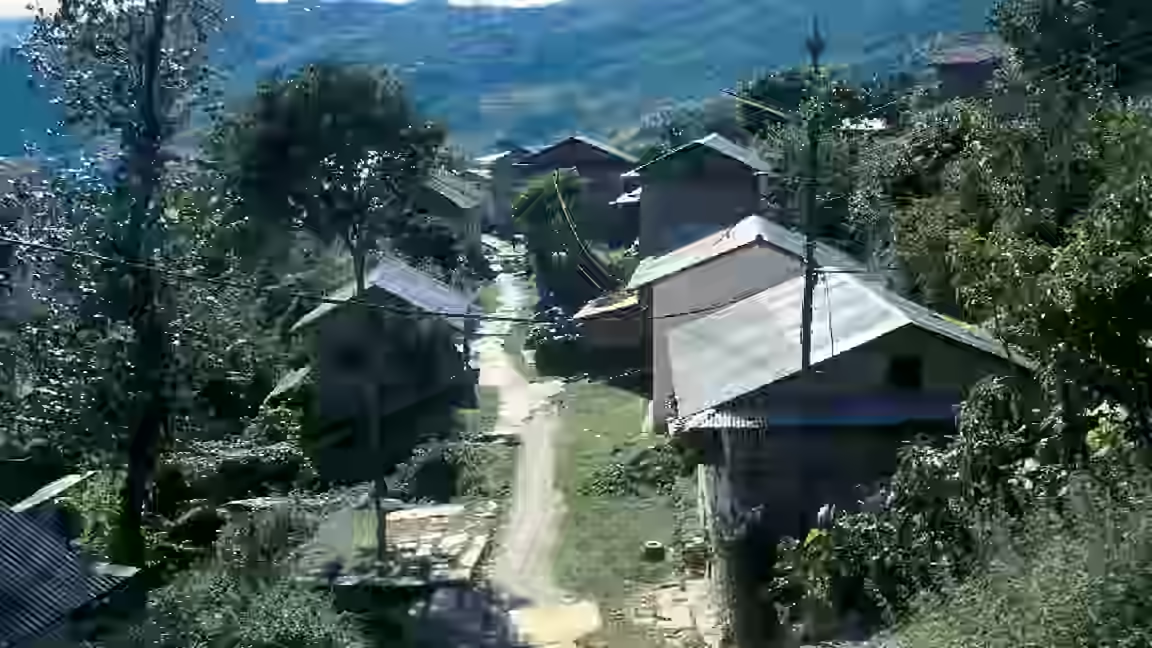
The remoteness of the route is central to understanding the challenge. Vaupés is a heavily forested region where aircraft are often essential for travel. In such places, an aviation accident can quickly become both a transport disaster and a logistical emergency because roads are limited or absent.
The registry’s comments in the supplied report underline that reality. Its staff were working in difficult terrain to support the electoral process, and the crash ended that effort on this route in tragedy.
IO Digest Desk
The crash also underlines how essential small aircraft are in Colombia’s remote southeast. In regions with limited road access, aviation is not a luxury but the only practical way to move officials, supplies and voters. That makes the loss of a single plane especially disruptive, because it can interrupt both transport and state services at once.
The supplied report does not identify the cause of the crash, and it is right not to guess. What it does establish is a tragic chain: a plane lost contact shortly after departure, burned in a remote jungle area and killed the pilot plus three registry workers on an election-related mission.
The crash also shows how the work of election officials can involve physical risk in remote areas. Their mission was administrative, not political in the partisan sense, but it depended on reaching hard-to-access communities. The accident cut that effort short and turned a civic task into a fatal aviation story.