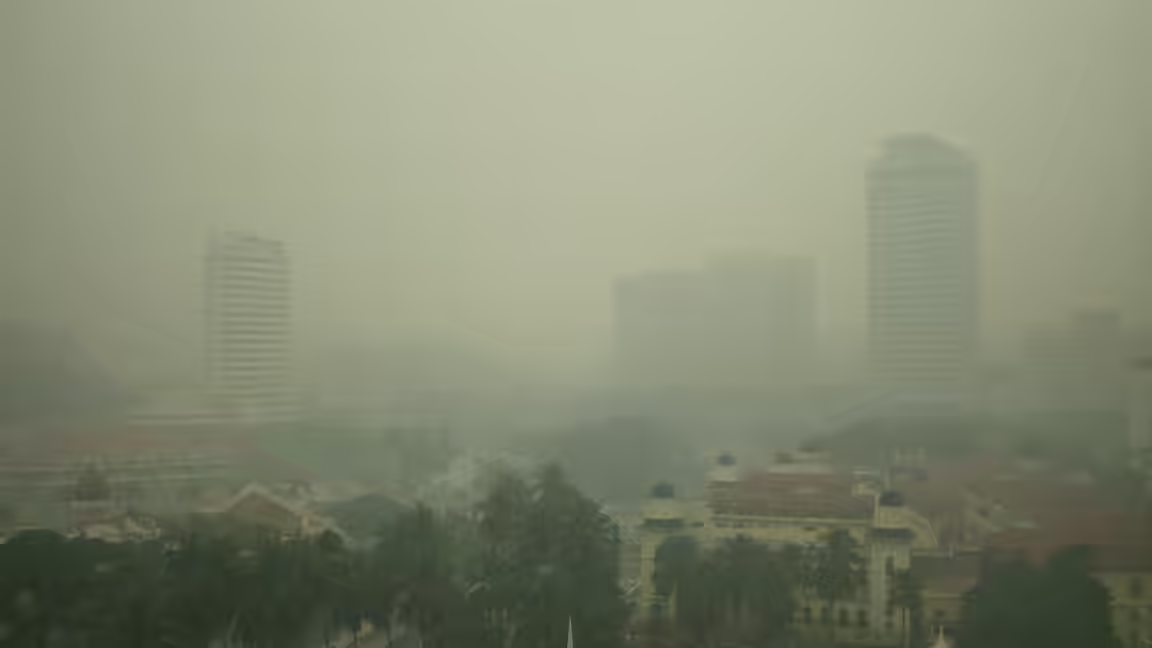
France placed 35 departments, including Paris, under a red heatwave alert for Sunday as a prolonged spell of extreme temperatures continued to disrupt daily life. Météo-France said very high temperatures were becoming established across the country for an extended period, prompting the highest level of warning in more than a third of its departments.
The heat had already led to dozens of train cancellations and the suspension of classes. Authorities were also preparing for the Fête de la Musique, the annual nationwide celebration that fills streets with free performances and draws large crowds into the night. The timing created an additional public-safety concern because prolonged outdoor activity and crowded events could expose more people to intense heat.
The alert covered Sunday rather than describing conditions only on the event date. Paris’s inclusion raised the profile of the warning, but the affected zone extended well beyond the capital. A red designation signals the most serious tier in the national warning system and is intended to trigger heightened precautions by local authorities, public services and residents.
The available report did not provide a department-by-department list, specific temperature forecasts or details of any restrictions on alcohol. Those elements should therefore not be inferred from the broader warning. What was confirmed was the geographic scale of the red alert, the expected persistence of the heat and the disruption already recorded in transport and education.
France was part of a wider episode affecting Western Europe. Temperatures were expected to keep rising across the region, with the possibility of further records. Germany’s weather services warned some areas about thunderstorms, hail and heavy rain over the weekend, showing that the broader weather pattern carried different hazards across national borders. In Britain, meteorologists had confirmed the hottest spring on record for England and Wales, although forecast temperatures there were expected to remain below those in continental Europe.
Scientists have established that human-caused climate change can intensify and increase the frequency of heat extremes. The report described this as the second heatwave of the year for many people in the region, bringing another period of hazardous conditions at the start of summer.
For France, the immediate focus was operational: keeping transport and schools functioning where possible, reducing exposure during public celebrations and ensuring the highest warning was understood. The 35-department alert showed that the event was not a localized hot spell but a sustained national emergency spanning a large part of the country.
The report did not identify heat-related deaths or provide emergency-department figures, so the consequences should not be extended beyond the documented cancellations and class suspensions. The warning itself was prospective, giving services and residents time to adjust plans before Sunday’s expected peak conditions.