Swiss energy company Axpo temporarily shut both reactors at the Beznau nuclear power plant after the Aare River, used for cooling the facility, reached 25C on consecutive days. The operator said it could not see sufficient cooling ahead and would keep monitoring the river’s temperature.
Beznau stands in northern Switzerland near the German border. Axpo said it could begin planning a restart once the river cooled or forecasts showed adequate relief. Any return to operation would also require approval from the relevant authorities. The announcement did not provide a restart date.
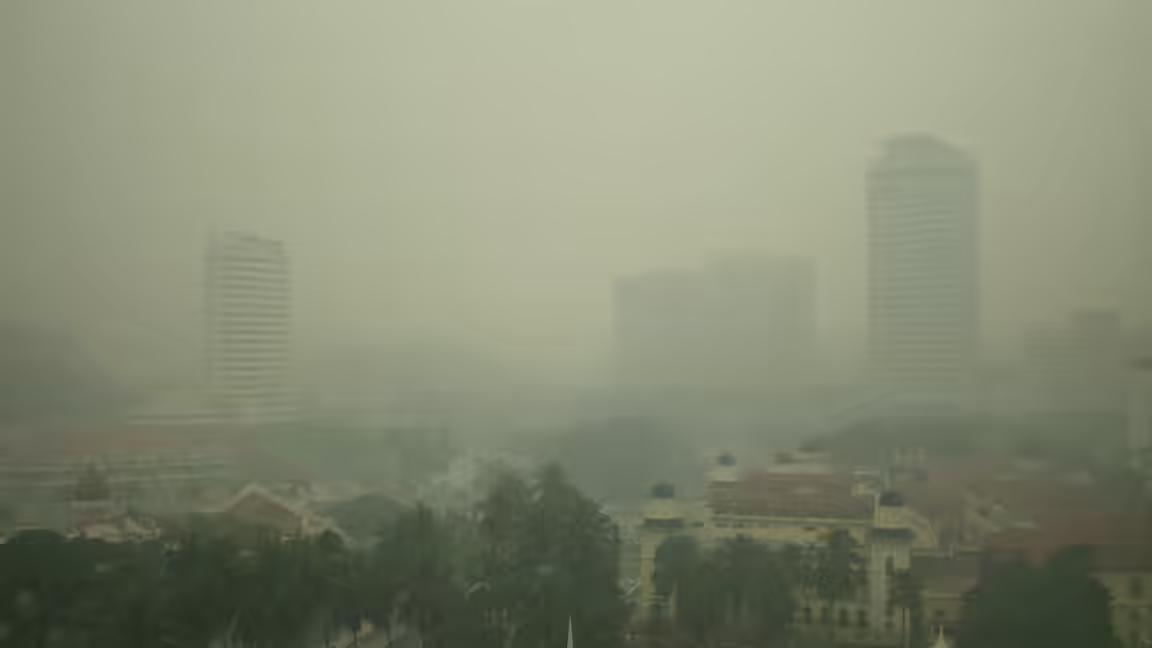
The shutdown occurred during a European heatwave that brought temperatures above 35C to an estimated 150 million people. Switzerland set a June temperature record for a second successive day on June 26, when Basel registered 38.8C. The same station had measured 38C one day earlier, surpassing a record that had stood for almost 80 years.
River temperature matters because nuclear plants require cooling and can add heat to the water they discharge. Officials reported no equipment failure or radiation incident at Beznau. Axpo’s stated reason was the sustained 25C reading and the absence of expected cooling, making the stoppage an operational response to environmental conditions.
France’s main energy provider had also stopped two reactors on June 25 as an environmental precaution intended to avoid releasing too much warm water into rivers already heated by the weather. The French action showed that the thermal constraints were not limited to one plant or one national electricity system.
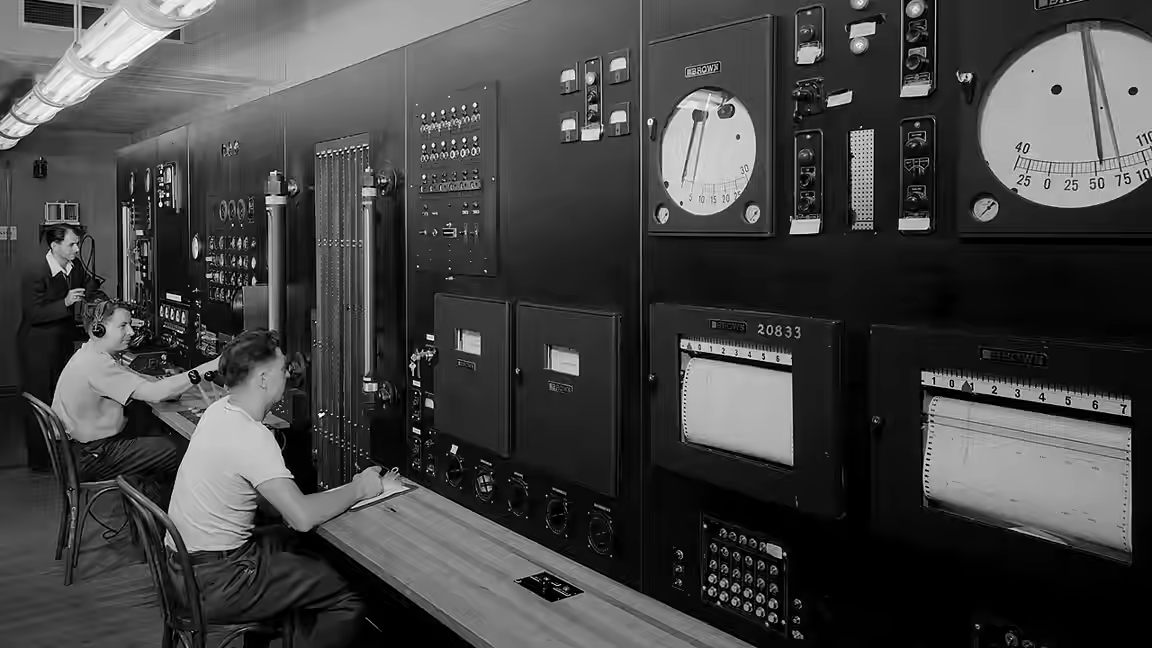
Nuclear power supplied slightly more than one third of Switzerland’s electricity. The country had four ageing reactors, including the two at Beznau. Reactor 1 entered service in 1969 and Reactor 2 in 1971, making the facility one of the oldest nuclear plants operating anywhere in the world.
The age of the units provided context but was not identified as the cause of the shutdown. The direct trigger reported by Axpo was the Aare’s temperature. No forecast quantified replacement generation, named alternative sources or projected effects on customers.
The decision linked extreme weather to the practical limits of energy infrastructure that depends on river conditions. By closing both units and tying any restart to cooler water, forecasts and regulatory clearance, Axpo set out a conditional process rather than a permanent closure. Monitoring the Aare remained the immediate basis for deciding when the plant could operate again.
Beznau remained a material part of a four-reactor national fleet, so stopping two units temporarily removed half of the reactor count, though not necessarily half of Swiss nuclear output. No unit-capacity figures were reported. It therefore supports describing a significant operational interruption but not calculating a precise share of national generation lost.