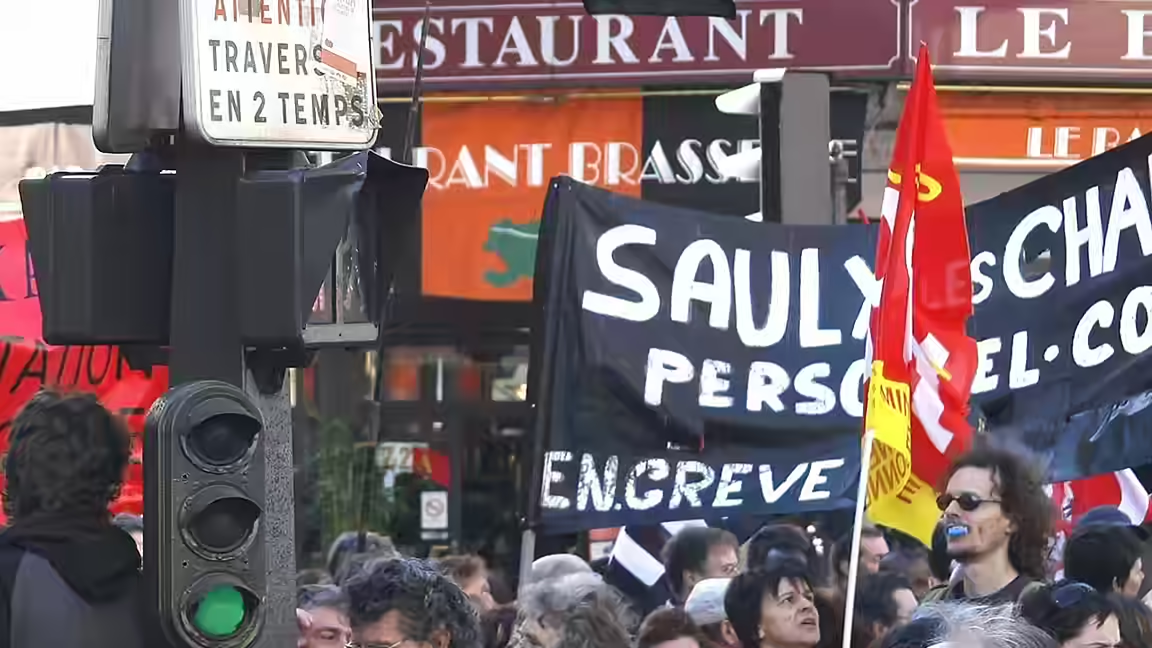
Hundreds of thousands of people marched across France in renewed demonstrations over living costs and education, with the day’s largely peaceful processions followed by clashes and almost 1,000 arrests, according to the French interior minister. The government estimated national participation at more than 400,000, while trade unions put the total at roughly twice that level.
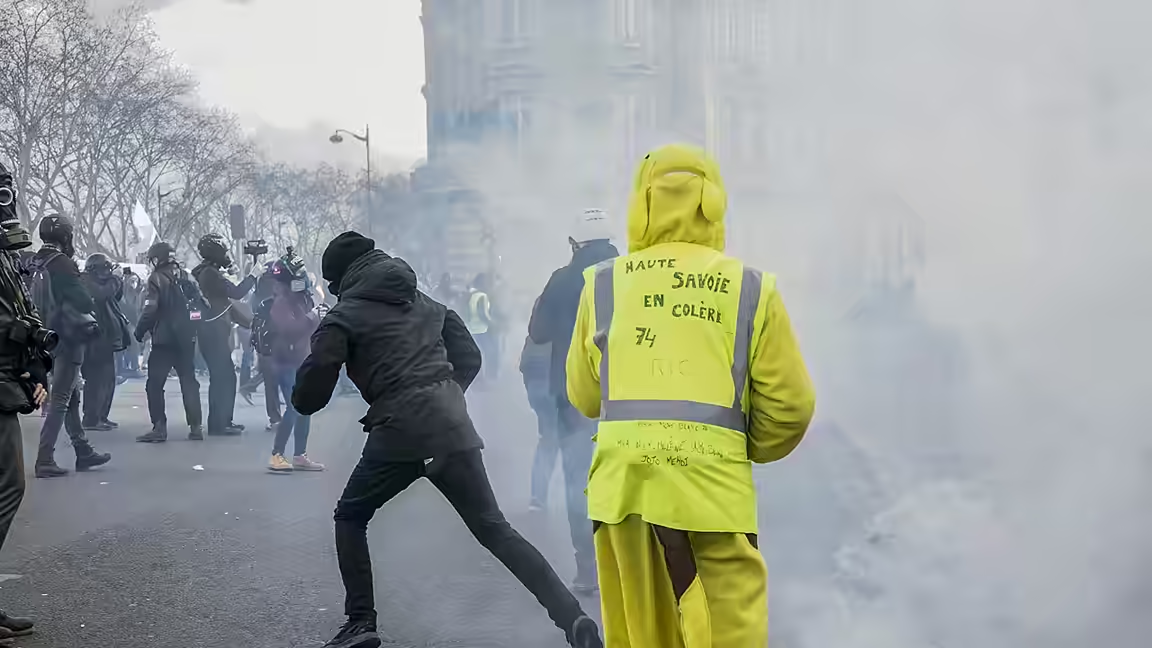
Paris hosted a large demonstration on the edge of the capital. Reporting from the march described a relaxed daytime atmosphere, including families, music and political banners. The mood changed near the end of the route as fireworks and other projectiles were directed toward police lines. Officers responded with tear gas, water cannon, charges and baton strikes while clearing the area.
Interior Minister Laurent Nuñez said the arrest total was expected to rise as forces completed their reporting. He characterized the authorized marches as having proceeded well but blamed later violence on organized groups. More than 70,000 police officers had been deployed nationally, and businesses were boarded up in anticipation of unrest following serious disorder during the previous weekend.
The Guardian reported two serious injuries during the day, including a 20-year-old man who lost fingers. The precise circumstances were not established in the supplied reporting. Witnesses in Paris also described injuries and questioned the police response, while authorities said officers faced attacks. Those competing accounts underscore the difficulty of assigning responsibility for individual incidents while events were still being investigated.
The mobilization extended beyond Paris. Demonstrations and confrontations were reported in other French cities, while separate protests took place elsewhere in Europe over a variety of domestic issues. In Italy, police reported nine arrests and said more than 370 people were briefly detained across eight cities, including 110 minors.
The latest French rallies represented another wave of pressure over household purchasing power, public services and the education system. They also revived the security challenge posed when broad, authorized marches overlap with smaller groups seeking confrontation. The gap between official and organizer turnout figures remained substantial and neither estimate could be independently reconciled from the available evidence.
By nightfall, police were dispersing the remaining groups in Paris. The scale of participation demonstrated continuing public anger, while the number of arrests and reports of serious injuries shifted attention toward policing, public safety and accountability for violence at the edges of the demonstrations.
Officials had not supplied a final arrest tally or a complete breakdown of alleged offenses by the close of the reporting period. Further judicial review will determine which detentions lead to charges, making the headline arrest figure a provisional measure of police activity rather than a count of proven wrongdoing.