A leadership confrontation at Poland’s Constitutional Tribunal prompted President Karol Nawrocki to cut short a trip to Senegal and return to Warsaw, as riot police deployed outside the court and rival figures disputed who was entitled to lead it. The crisis erupted after the suspension of tribunal president Bogdan Święczkowski.
Judge Anna Korwin-Piotrowska announced that she was taking over the tribunal’s leadership. The institution responded through its official social-media account by rejecting her authority, saying she was not a Constitutional Tribunal judge and characterising the action as a judicial “coup d’état.” That language represents the tribunal’s allegation, not a legal finding.
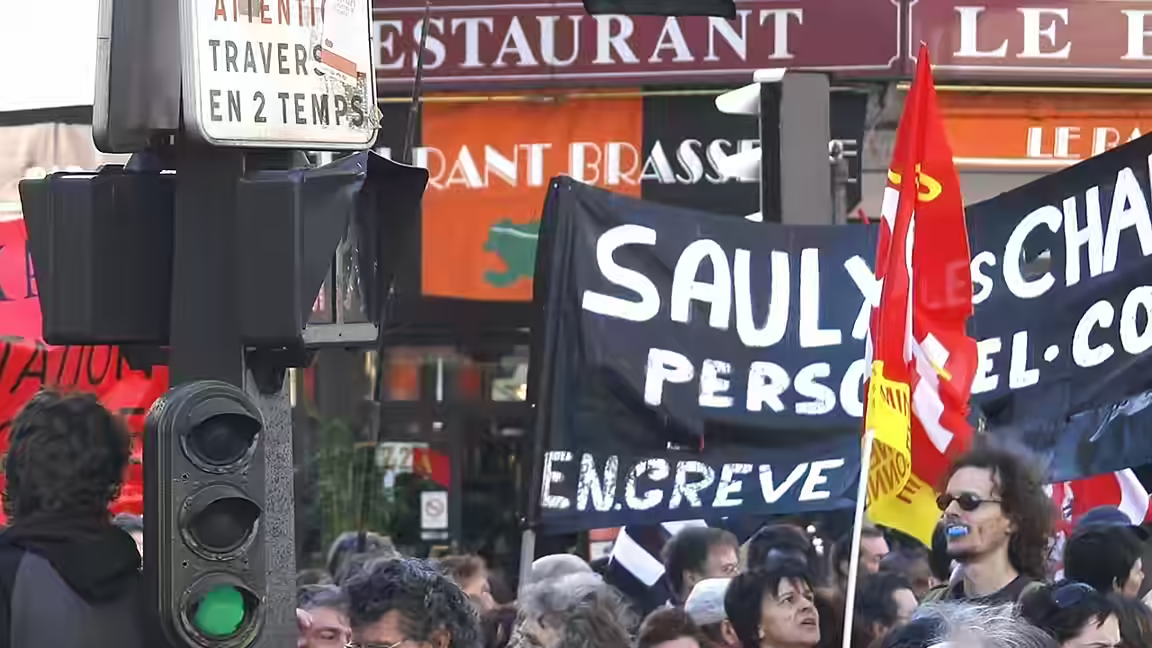
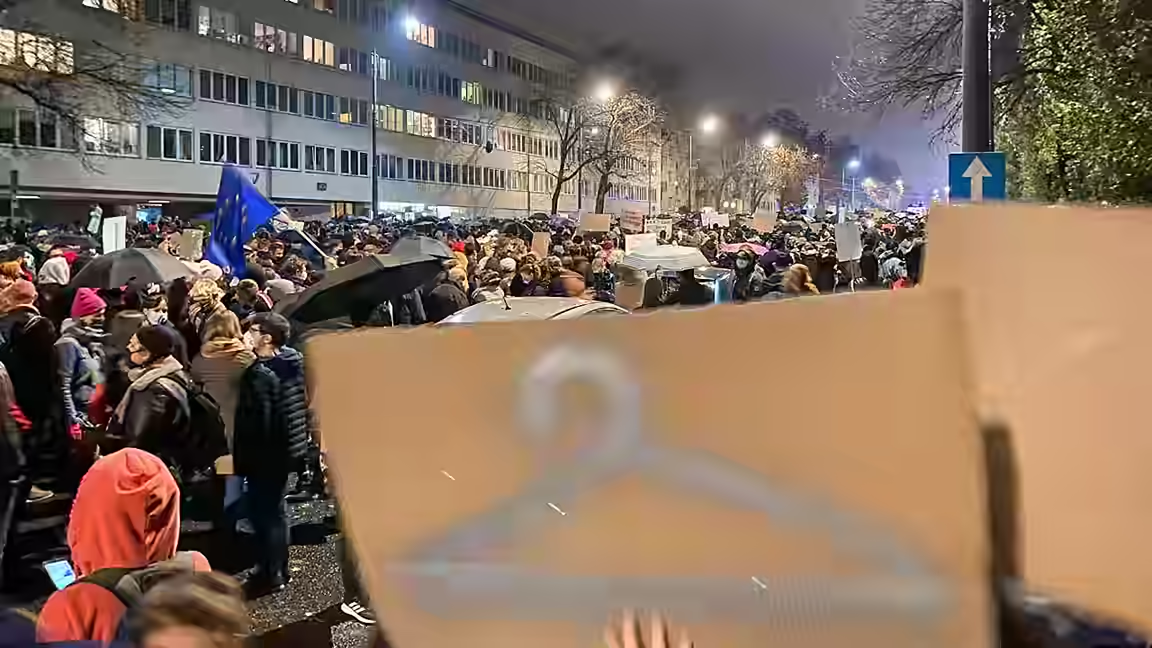
Supporters of the nationalist Law and Justice party, known as PiS, gathered outside the building on Friday night to oppose Święczkowski’s suspension. Police maintained a substantial presence as the political and institutional dispute developed. The supplied reporting confirms the protest and police deployment but does not establish all details circulating about individual detentions, so those claims are omitted here.
Nawrocki announced that the situation required his presence in Poland and ended his Senegal visit early. His chief of staff, Paweł Szefernaker, said early Saturday that the president entered the tribunal building accompanied by Zbigniew Kapiński, the first president of the Supreme Court. Their arrival underlined the confrontation’s significance across Poland’s top state institutions.
The immediate struggle sits within a longer dispute over judicial appointments. The current Polish government has sought to remove Constitutional Tribunal judges appointed under the previous PiS-led administration. PiS governed from 2015 to 2023, during which European Union institutions repeatedly criticised changes to Poland’s courts and questioned the tribunal’s independence. The court also issued decisions asserting the priority of Polish law in areas of conflict with EU rules.
Those earlier battles left Poland with competing views of how to restore lawful judicial governance. The government and its supporters see changes as necessary to repair institutions shaped by PiS. Opponents argue that attempts to displace existing officeholders violate the constitutional order. The competing claims have made the tribunal both an arbiter of legal disputes and a central object of political conflict.
The events of October 30 did not settle who would ultimately control the court or whether the suspension would withstand legal scrutiny. They did, however, escalate the contest from an institutional disagreement into a visible security and presidential crisis. With riot police outside and the president returning from an overseas trip, the dispute entered a new phase in which procedural decisions at the tribunal carried immediate national political consequences.