# Guinea court jails officials and miners in illegal gold crackdown
A court in Guinea sentenced 22 former local officials and 202 people accused of illegal gold mining on November 17, escalating a government campaign against unlicensed extraction in the northeastern Siguiri region.
The Court for the Repression of Economic and Financial Offenses in Conakry gave each former Siguiri administrator a two-year prison term for complicity in environmental degradation, destruction and water pollution. Each was also fined 10 million Guinean francs, equivalent to roughly $1,125.
The 202 alleged miners received three-year sentences. They faced the same environmental charges as well as an additional count of illegal mining and were ordered to pay a combined fine of 10 billion Guinean francs. Several were foreign nationals, and the court barred those defendants from Guinean territory for 10 years.
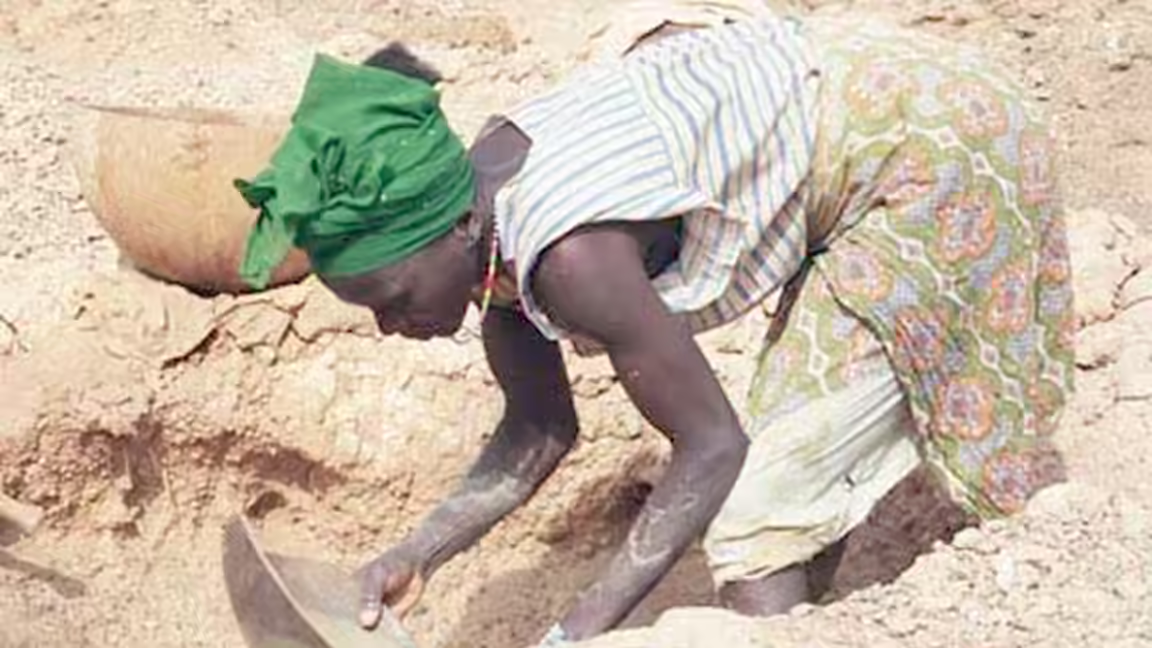
The rulings form part of a broader enforcement drive announced by Guinea’s government earlier in November. Authorities say unregulated mining damages farmland, contaminates waterways and causes wider environmental destruction. More than 1,200 artisanal miners were arrested in Siguiri during the month.
The crackdown has also produced a humanitarian and security fallout. Enforcement efforts led to clashes between protesters and security forces in the northeast, leaving 10 people dead and 13 injured. Thousands of people fled across the nearby border into Mali, including miners who then had to seek transport back to homes elsewhere in West Africa.
Siguiri’s deposits attract workers from across the region, and small-scale gold extraction supports a large informal economy. The United Nations Environment Programme estimates that unauthorized gold mining provides income to more than 300,000 people in Guinea. That scale makes enforcement both an environmental policy and a major livelihood issue.
The sentences distinguish between officials accused of enabling the activity and miners accused of carrying it out, but both groups were convicted on environmental grounds. The additional illegal-mining charge and longer terms imposed on miners reflect the court’s treatment of direct extraction as a separate offense.
The case also underscores the regional dimensions of Guinea’s gold economy. Foreign workers are among those sentenced, and the movement of people into Mali shows how a domestic enforcement campaign can create immediate cross-border consequences.
Guinea now faces the challenge of enforcing mining and environmental law without deepening violence or abruptly removing income from communities that depend on artisanal extraction. The court’s penalties signal a hard line, while the deaths, injuries and displacement surrounding the campaign show its costs. No information in the ruling indicated whether those convicted would appeal.