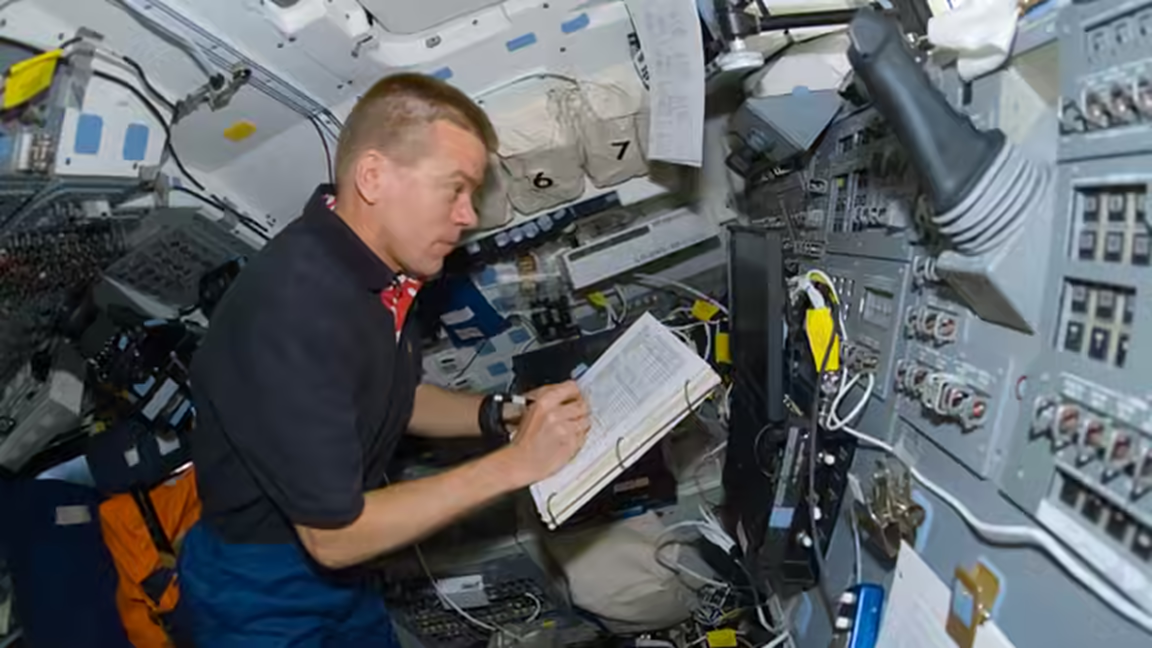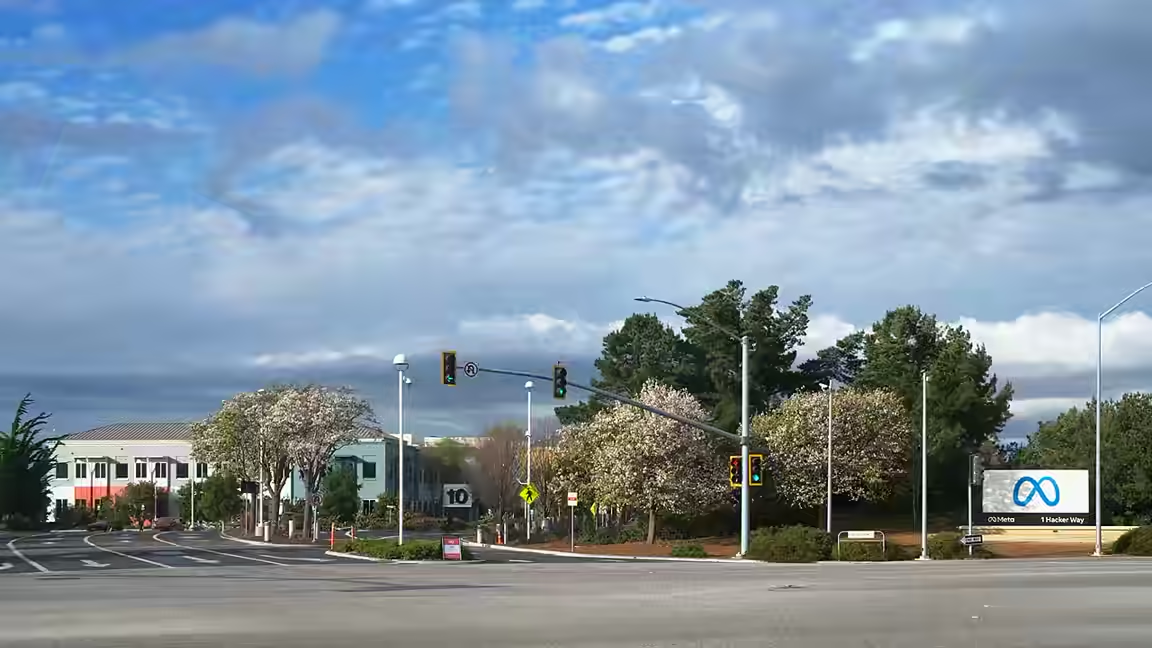
New deposition testimony about the Books3 dataset has widened a discovery dispute in federal copyright cases involving Meta's Llama artificial-intelligence models. Rights holders say former Meta researcher Stephen Roller acknowledged downloading through BitTorrent a broader dataset called The Pile, which includes Books3. Meta says the testimony does not establish that the download was made for the company or during his employment there.
Books3 is a collection of nearly 200,000 books originating from the private torrent tracker Bibliotik. Meta has previously acknowledged using portions of the collection to train Llama 1 and Llama 2, but that admission did not explain how the company obtained the data. The latest disagreement centers on the provenance of Roller’s personal copy and whether Meta researchers held additional copies.
According to the plaintiffs' account, Roller could not remember exactly when he acquired The Pile. He worked at Meta from 2017 until January 2023, while Books3 was created in 2020. The rights holders argue that this timeline and other deposition answers justify further inquiry into how many copies existed, who acquired them and whether they were distributed through BitTorrent.
The plaintiffs also point to Roller's testimony that he later deleted his copy amid litigation concerning the dataset. They characterize that action as relevant to their effort to reconstruct how the material moved between researchers and systems. Their account remains an allegation in active litigation, not a finding that Meta ordered or authorized Roller’s download.
Meta disputes the plaintiffs' interpretation. The company says Roller did not testify that he downloaded The Pile for Meta or while at Meta, and notes that he worked for other AI companies after leaving. Meta also says the copy was stored on his personal computer and that the deposition did not confirm separate downloads by two other researchers mentioned in the questioning.
The acquisition method matters because a court previously ruled in a related case that using books to train Llama was fair use, leaving questions about BitTorrent downloading and distribution as a major unresolved issue. Plaintiffs are seeking command-history files and other records they say could show which torrents were targeted and how the software was configured.
Meta says it has produced substantial server logs and continues to search backups, providing additional material on a rolling basis. The plaintiffs want a clearer account of any missing records and may seek further court intervention if the parties cannot agree.
Entrepreneur Media's case is scheduled for trial in spring 2027, with other publishers and authors pursuing related claims. Roller's deposition gives both sides new evidence to argue over, but it does not by itself resolve who authorized any download, whether the activity was connected to Meta, or what legal consequences should follow.