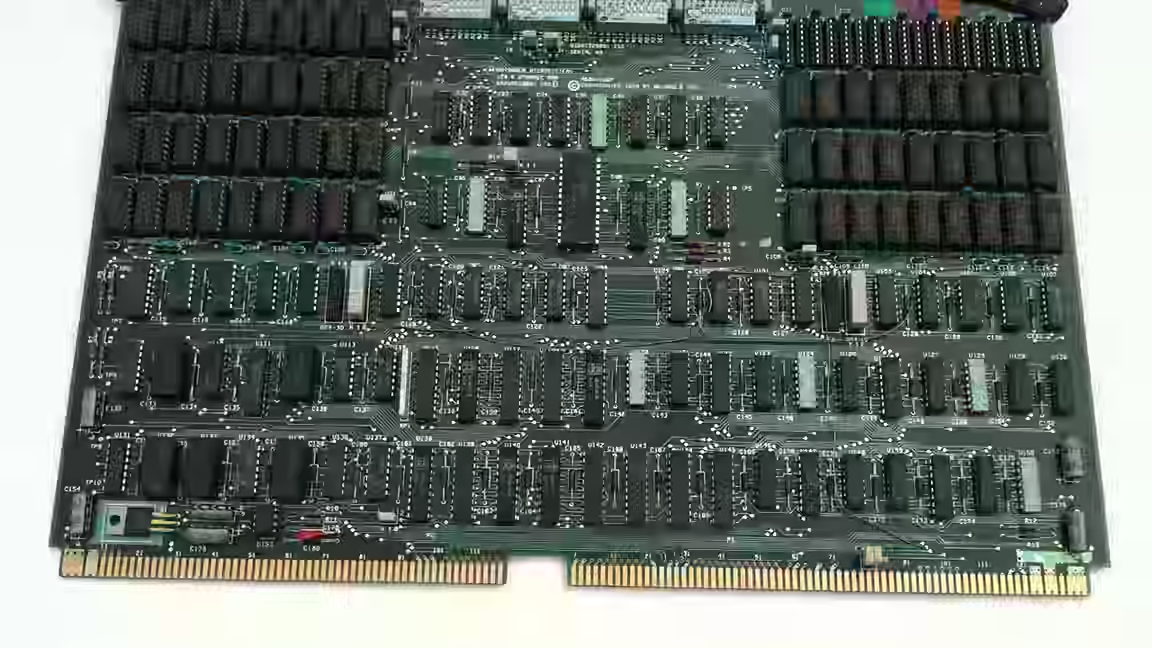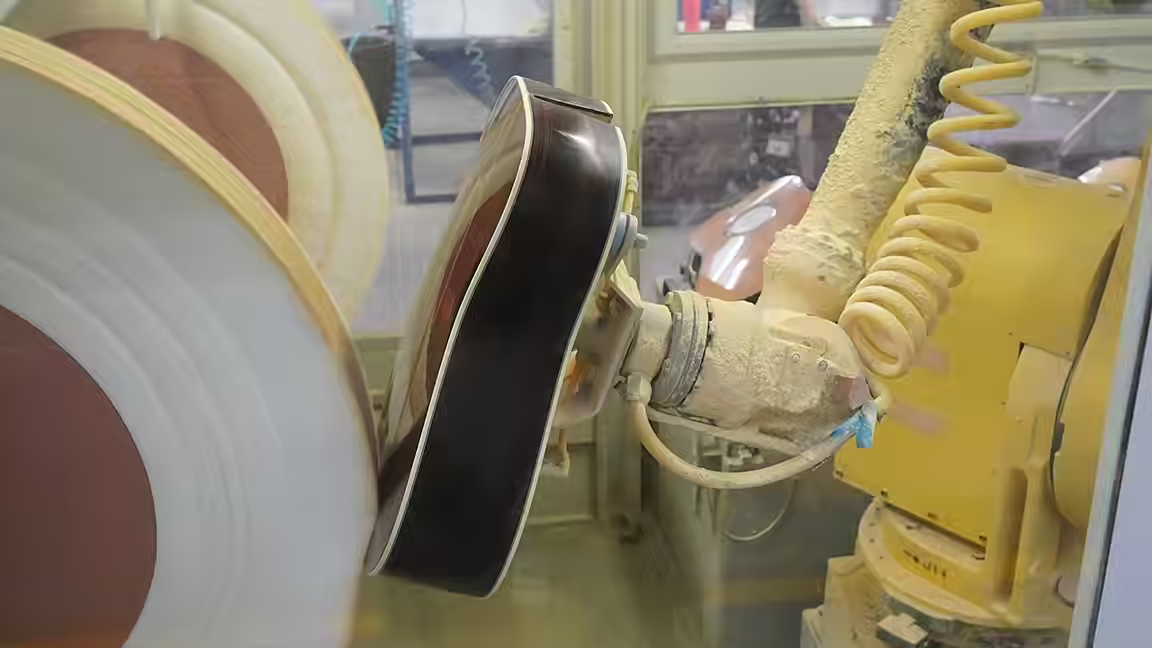
A visit to Unitree's factory in Hangzhou found that much of the Chinese robotics company's production still depends on people, despite the advanced machines leaving its doors. The observation offers a practical counterpoint to expectations that makers of humanoids and robot dogs would also be early users of highly automated production lines.
The visitor reported seeing one or two newer automated lines in the building where Unitree makes actuators, the motors that move a robot's joints. Elsewhere, workers operated conventional winding equipment used to wrap copper wire around motor cores. Unitree's own offering documents say assembly remains mainly manual and describe a publicized humanoid assembly demonstration as a pilot.
The economics described in the supplied account help explain that choice. Unitree produced almost 32,000 robots in 2025 while carrying machinery with a book value of about $1.7 million at year-end. Labor, including work by outside assemblers, represented roughly 8% of its manufacturing cost. At that share, even a large reduction in labor produces only a modest saving on the total cost of a robot.
Unitree is nevertheless automating selected processes. Its planned motor line is expected to cut the labor needed for each motor by more than half, while reducing the cost of one robot model by less than 2%. Joint modules are a logical starting point because motors and related components can remain common across products even as the overall designs change.
Frequent redesigns make broader automation harder to justify. Specialized production machinery can become obsolete when a model changes, while people can adapt to a revised assembly sequence without the same upfront engineering and integration expense. The supplied account compared this problem with earlier manufacturers that struggled to automate products with short life cycles.
Unitree's customer mix also shows that humanoid robots have not yet settled into a single mass-market industrial role. Three-quarters of its humanoid revenue in the first nine months of 2025 came from research and education, according to the account, while factories and other industrial applications generated less than 5%. A product serving laboratories, demonstrations and emerging experiments is likely to keep changing as customers test what it can do.
The factory visit does not show that automation has stalled. It shows that manufacturers are applying it selectively, first where components are standardized and the savings are measurable. For Unitree, manual flexibility remains valuable while robot designs and uses evolve. The unusual result is that the company can build sophisticated robots at scale without first turning its own assembly floor into a fully robotic plant.