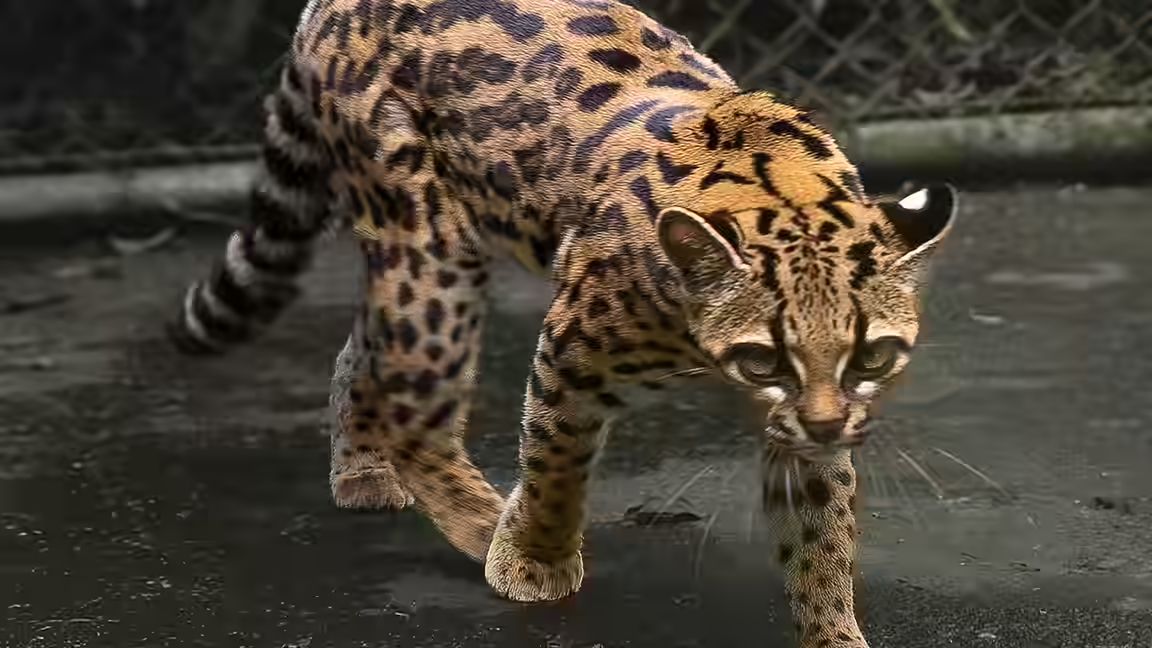
A small spotted cat from Bolivia has been identified as a distinct species after genetic research separated it from visually similar South American tiger cats. The animal, named *Leopardus tilcayo*, is known from only one confirmed living individual, though scientists believe others remain in the wild.
The known cat, nicknamed Tigrino, lives at a Bolivian rescue sanctuary. A local resident had found it in the forest and initially thought it was a domestic kitten. As the animal matured, its behaviour showed that it was wild. Paola Nogales-Ascarrunz of Universidad Mayor de San Andrés noticed that the cat looked unusual while volunteering at the sanctuary and joined an international research effort to investigate its ancestry.
Researchers compared DNA from living animals with material held in museum collections. The work, published in the journal *Current Biology*, concluded that the tilcayo belongs to a separate species. It also suggested that the tiger-cat group contains five species rather than the three previously recognised. Tiger cats occur across Central and South America and can be difficult to distinguish because several species share similar spots, stripes and body size.
The discovery was particularly difficult because specimens and images from the Bolivian population are scarce. Scientists had heard reports of small wild cats in the dense Yungas forests, but those sightings had not been systematically investigated. Tigrino, now about 10 years old, provided the living evidence that directed attention to the population.
Researchers say formal recognition is a necessary first step for conservation. Protection plans depend on knowing which species exists, where it lives and how large its population may be. The newly described cat was absent from earlier conservation assessments, while tiger cats more broadly face pressure from deforestation, habitat loss and illegal hunting. Field surveys will now be needed to locate additional animals and establish the tilcayo’s range and status.
The classification may also change the accepted count of living cat species. All wild and domestic cats belong to the family Felidae. Forty-one species had been officially recognised, while the new tilcayo and other proposed divisions within the tiger-cat group could raise the total to 44 or more. Taxonomic specialists caution that the similar appearance of these animals and the shortage of museum specimens have long made the group difficult to resolve.
The result demonstrates how genetics can reveal biodiversity hidden in plain sight. The tilcayo was not found in an inaccessible ocean trench or isolated volcanic habitat, but among forests where local people had already encountered small cats. Establishing that those animals represent their own evolutionary lineage gives researchers a clearer target for surveys and habitat protection before the population’s condition is known.