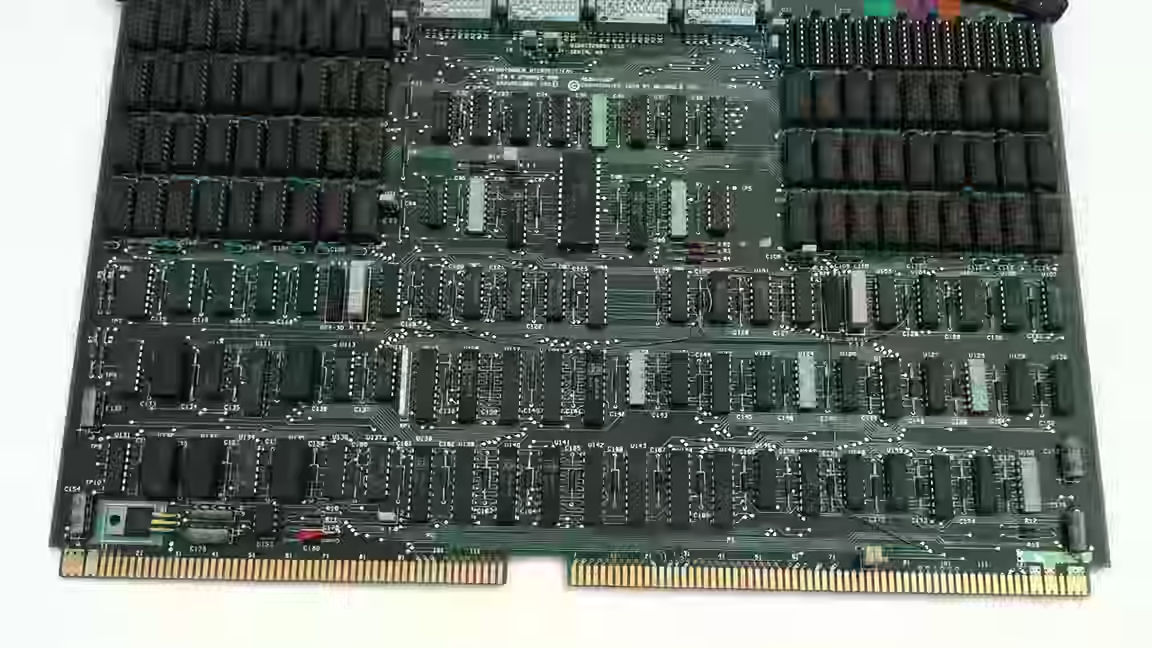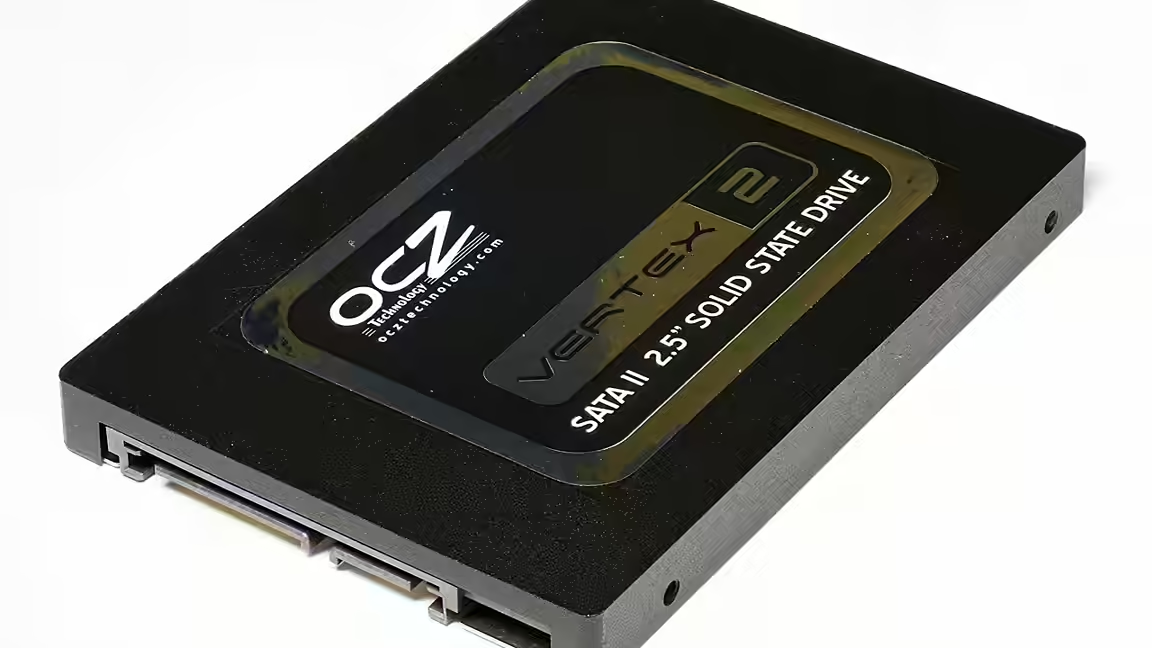
Flash and hard drives follow different timelines
Solid-state drive prices could begin easing during the second half of 2027 as NAND flash supply moves closer to demand, according to a storage-market analysis published by DriveVault. The forecast does not anticipate a sudden return to older price levels. Instead, it describes a gradual moderation after a prolonged period of tight supply and rising contract prices.
The outlook separates SSDs from mechanical hard drives because the products have different manufacturing and sales structures. NAND chips are supplied by several large producers and are repriced through quarterly contracts as well as spot markets. That can allow changes in supply to reach SSD retail prices within a few quarters. Hard drives, by contrast, come mainly from Seagate and Western Digital, with Toshiba a smaller supplier, and much of the largest-capacity output is committed to cloud customers under longer-term agreements.
TrendForce estimates cited in the analysis put the NAND market in a four-to-five percent supply deficit through 2026, followed by a return toward balance in the latter half of 2027. Manufacturers are expected to extract more bits from existing fabrication plants, while weak consumer demand limits growth in notebook and smartphone shipments. Additional production from China's YMTC could also add competitive pressure.
Balance will not mean cheap storage
A balanced market would first slow increases and then permit prices to drift downward. The forecast still expects memory contract prices to remain elevated through 2027, particularly because cloud computing and artificial-intelligence infrastructure continue to absorb supply. Demand could also strengthen unexpectedly and delay relief.
Retail tracking cited in the report showed how far prices had moved. A German survey of a consistent group of drives put hard-drive prices 134 percent above pre-crisis levels and SSDs 129 percent higher in September 2026. Monthly increases had become smaller, suggesting that the pace of inflation was flattening, but both categories remained at records in that dataset.
The hard-drive outlook is less flexible. Seagate told investors that data centers account for about 90 percent of the capacity it ships and that most high-capacity output was allocated into 2028. The company also described contracts covering configurations and prices through 2027 and said it was not adding manufacturing capacity. Western Digital similarly reported revenue growing faster than the amount of storage shipped, indicating higher prices per unit of capacity.
A cautious purchasing outlook
For buyers, the distinction means waiting may help with SSD purchases sooner than with high-capacity hard drives. Even for SSDs, the projected improvement begins more than a year away and depends on forecasts rather than guaranteed production outcomes. Businesses planning storage purchases should therefore watch NAND contract prices, manufacturer capacity statements and cloud demand rather than treating a single date as a turning point.
The evidence supports a split recovery: flash storage may gradually become less expensive from late 2027, while mechanical drives could remain constrained into 2028. Neither path implies an immediate price collapse.