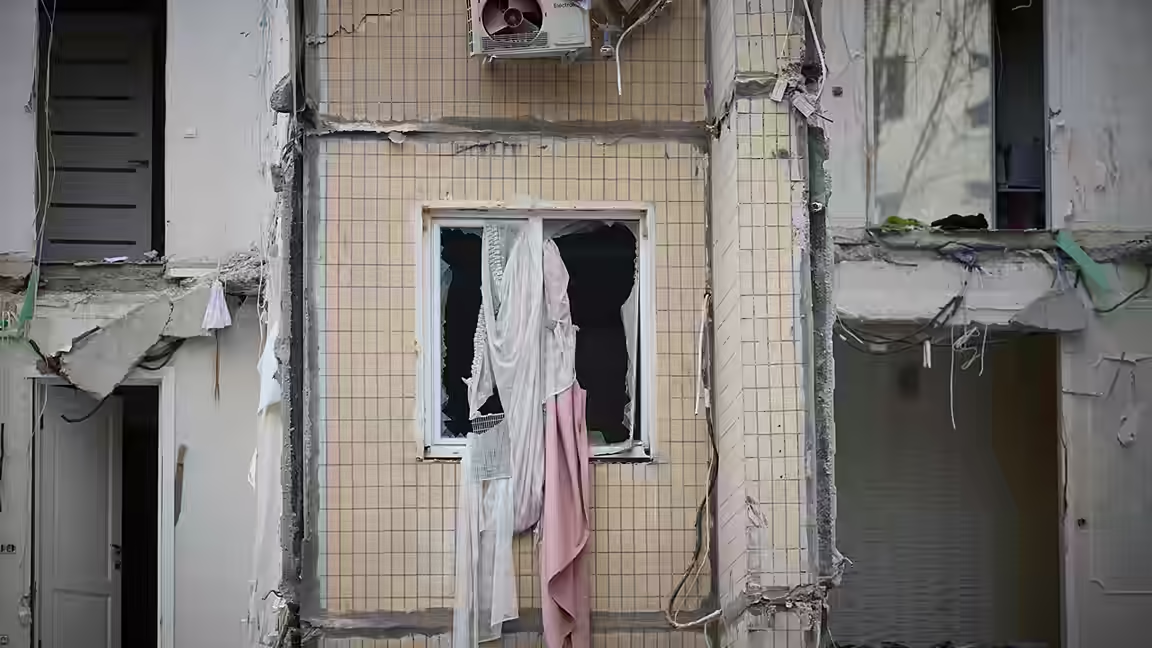
ODESA, Ukraine — One person was killed and 14 others injured in a large-scale Russian drone strike on Odesa on the night of June 19-20, according to the supplied report.
The attack struck civilian infrastructure in the city and left visible damage across several sites. The evidence packet says a 23-storey building was hit, along with several other high-rise buildings, one of which was completely destroyed. Outbuildings, an educational institution, shops and cars were also damaged. That makes the strike significant not just for the casualty toll but for the range of civilian property affected.
The report says at least 10 drones were used. That detail matters because it shows the attack was a sizable coordinated strike rather than a single isolated impact. Multiple drones increase the challenge for air defense and widen the area of possible damage, especially in an urban environment like Odesa.
The casualty count also includes firefighters, with three among the injured, according to local officials cited in the source. That indicates responders themselves were drawn into the danger zone while trying to contain the aftermath. The report does not say whether the fatality was a resident, a worker or a responder, so the article should not assign a role to the person killed.
Ukrainska Pravda’s report says the damage came during the nighttime assault, and the timing is relevant because night attacks can complicate warning and evacuation. The source also notes that information about additional casualties was still being confirmed, which suggests the reported toll may have been incomplete at the time of publication. The article should therefore avoid implying the number was final if the source does not.
What is verified is enough to show the scale of the strike. A residential high-rise was damaged, another was destroyed, and multiple types of civilian infrastructure were hit. That means the attack affected housing, education, retail and transport-related property all at once. The report does not specify whether any of the buildings were occupied at the moment of impact, but given the injuries, at least some people were present or nearby.
The source does not provide a Russian statement or a detailed military assessment. It simply reports the local consequences and the number of drones. That restraint should be reflected in the article, which should not try to attribute motive or target selection beyond the reported damage.
For Odesa, the significance of the attack lies in its combination of force, scale and civilian impact. One death and 14 injuries are the immediate human cost, but the broader damage to homes, shops and a school-linked facility underscores how air attacks can spread disruption far beyond the initial blast points.
The verified story, then, is straightforward: Russian drones struck Odesa overnight, a person was killed, 14 others were injured, and civilian buildings across the city were damaged. The cause of the attack is clear; the full recovery picture is still emerging.


