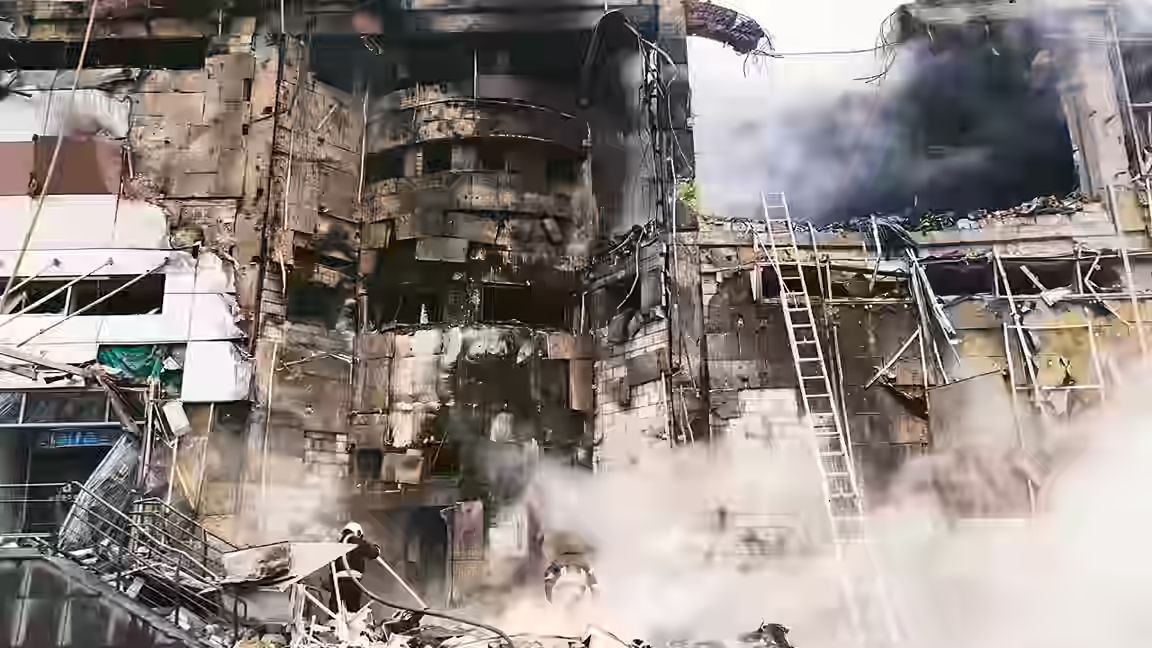
Ukraine imposed emergency electricity cuts across most regions after a large Russian attack damaged thermal generation, high-voltage substations and infrastructure essential to the country’s nuclear power stations. The strike reduced available supply just as temperatures were forecast to fall sharply.
Ukrainian officials said 13 missiles and 21 Shahed-type attack drones targeted 19 sites, with debris falling at three more locations. Western regions including Khmelnytskyi, Rivne, Ternopil, Ivano-Frankivsk and Lviv reported attacks, demonstrating that the disruption extended well beyond the eastern front.
Energy Minister Denys Shmyhal said the targets included 750-kilovolt and 330-kilovolt transmission lines and high-voltage substations that form the grid’s backbone. The Burshtyn and Dobrotvir thermal power plants in western Ukraine were also hit. DTEK, the country’s largest private energy company, reported significant damage to equipment at its thermal stations.
President Volodymyr Zelensky said facilities crucial to nuclear-plant operations were struck. Nuclear generation was reduced and one unit automatically shut down, he said. DTEK explained that damage to substations forced nuclear stations to lower output, removing a substantial share of electricity from the system even where reactors were not directly disabled.
Nationwide outage schedules reached as many as 4.5 to five stages, while authorities imposed additional emergency measures in northern and eastern areas. Conditions were expected to be most severe in Kyiv, where DTEK said residents might receive only 90 minutes to two hours of electricity per day. The capital faced forecasts as low as minus 19 Celsius.
Grid operator Ukrenergo requested emergency electricity assistance from Poland. Shmyhal said repair crews were prepared to begin restoration when security conditions allowed, but the combined damage to generation and transmission meant recovery depended on more than fixing a single site.
DTEK described the strike as Russia’s 220th attack on thermal generation facilities since the full-scale invasion began in 2022. Repeated attacks on plants, substations and transmission lines have caused recurring blackouts and left the network with less flexibility to absorb another major loss.
Zelensky appealed for more missiles for Patriot, NASAMS and other air-defence systems, arguing that Russia was using cold weather to pressure the population. Ukrainian officials characterized the energy campaign as an effort to force Kyiv toward Moscow’s demands during continuing diplomacy over the war.
Those political claims remain the position of Ukrainian authorities, but the operational consequences were immediate and measurable: lower nuclear output, damaged thermal plants, emergency imports and tightly rationed power. With severe cold approaching, the central task was to stabilize the network while crews waited for safe access to damaged installations.


