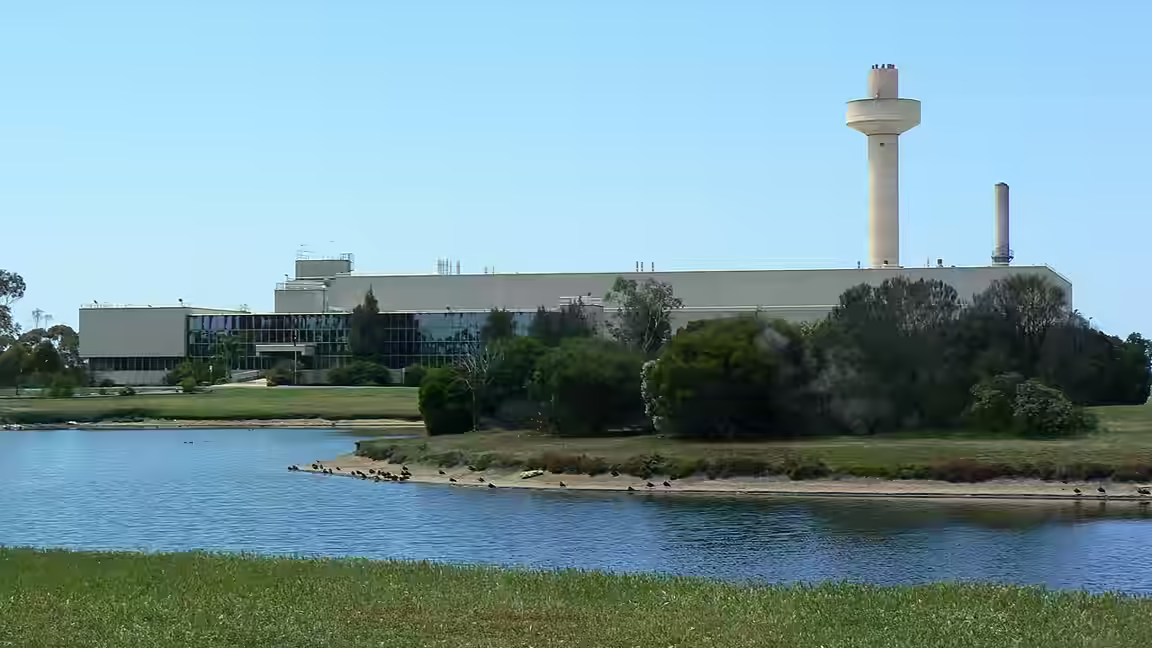
# Iran missile attack causes major damage at Qatar’s Ras Laffan gas facility
Event date: 2026-03-18
Qatar said on March 18, 2026, that Iranian missile attacks had caused significant damage at Ras Laffan Industrial City, the country’s main gas facility and the world’s largest liquefied natural gas production site. The announcement marked one of the most serious energy-related spillovers from the wider war, because Ras Laffan is central not only to Qatar’s economy but also to global gas supply.
The Ministry of Foreign Affairs said the Iranian attack on Ras Laffan caused fires and significant damage to the facility. QatarEnergy said all personnel had been accounted for and that no casualties were reported at the time. The interior ministry said a fire had been brought under control. Those details matter because they show the strike damaged infrastructure without, at least initially, producing a human toll at the site.
The company later said several other LNG facilities had also been attacked, causing sizeable fires and extensive further damage. That raises the scale of the event beyond one plant and suggests a broader effort to target energy infrastructure. The source also notes that Qatar had already suspended LNG production at Ras Laffan earlier in the month after a separate attack on the facility and a water tank in Mesaieed Industrial City.
Ras Laffan is not a local plant of marginal importance. The source says it lies about 80 kilometers northeast of Doha and produces around 20 percent of global LNG supply. That makes any sustained disruption potentially relevant to markets in Asia and Europe. Analysts quoted in the report said the earlier shutdown meant there would be no immediate new supply shock, but that the attack could still keep prices elevated and add pressure to regional power systems.
The diplomatic response was unusually sharp. Qatar’s Foreign Ministry declared Iran’s military and security attaches persona non grata and gave them 24 hours to leave, saying the repeated attacks amounted to a dangerous escalation and a direct threat to national security. France’s president, Emmanuel Macron, also said there should be an immediate moratorium on strikes against civilian infrastructure, particularly energy and water facilities.
The report places the attack in the context of Iranian threats to strike oil and gas installations across the Gulf in retaliation for Israeli attacks on Iran’s South Pars gasfield. That broader background helps explain why the Ras Laffan strike drew so much attention: it was not just a local incident, but part of a regional cycle in which energy infrastructure itself became a battlefield.
The broader energy risk comes from the fact that gas infrastructure is tightly woven into global supply chains. When a facility as large as Ras Laffan is hit, even a temporary disruption can ripple far beyond Qatar because buyers in Europe and Asia depend on those volumes to keep markets balanced. The source suggests the immediate supply shock may be limited, but it also makes clear that repeated strikes can keep pressure on prices and raise the strategic stakes for every side in the conflict.
That is why the attack drew diplomatic as well as commercial attention. A strike on Ras Laffan does not stay inside Qatar’s borders. It creates concerns for buyers, shippers and governments that rely on stable LNG flows, which helps explain the urgency of Qatar’s response.


