# Iranian strike on Lavan refinery triggers claims of retaliatory attacks on Gulf states
*By IO Digest Desk*
Iranian oil infrastructure has come under attack at Lavan Island, and the country's state broadcaster says retaliatory missile and drone strikes have been launched against the United Arab Emirates and Kuwait, according to WANA. The report describes a sharp escalation in a Gulf conflict that has already moved from diplomatic pressure to direct attacks on energy facilities.
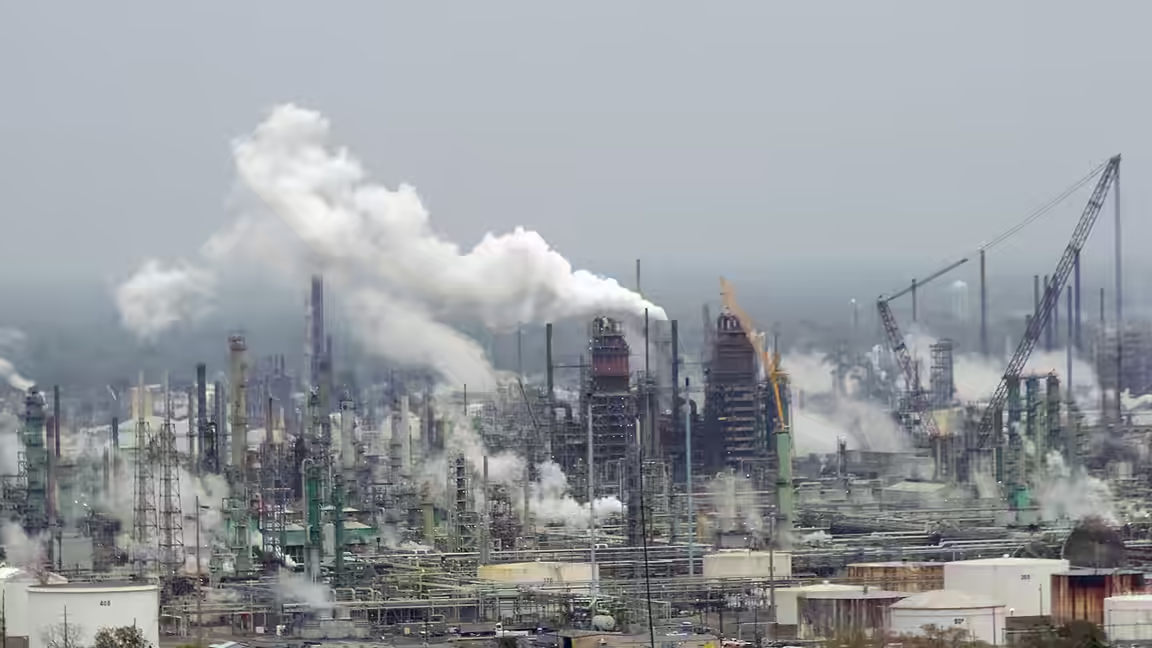
The National Iranian Oil Refining and Distribution Company said the Lavan Oil Refinery was hit in what it called a cowardly attack on the morning of April 8, 2026. According to the company, emergency response teams were dispatched quickly and no casualties had been reported at the time of the statement. It also said the national fuel supply and distribution network remained stable.
That combination of damage control and reassurance is common in infrastructure crises, but it should not obscure the seriousness of the event. Lavan is part of Iran's energy system, and a strike there has implications not just for production and refining but for the country's broader sense of vulnerability.
The WANA report says Iranian state broadcaster IRIB then reported missile and drone attacks against the UAE and Kuwait within an hour of the refinery strike. The excerpt does not identify specific targets in those countries, nor does it independently verify the retaliatory attacks. Because those claims come from state media tickers and remain fluid, they should be treated as reported rather than established fact.
Even so, the report points to a dangerous escalation pattern: attack, response, and widening regional involvement. Once infrastructure is hit, the risk is no longer confined to the site of the original strike. Neighboring states and shipping routes can quickly become part of the same crisis.
The public appeal from NIORDC asking citizens to manage fuel consumption, avoid unnecessary travel and use public transportation adds another layer. It suggests authorities were concerned enough about the attack to ask for restraint even while insisting the national fuel network was still intact. That is a signal of confidence mixed with caution.
The report also notes that the strike was reported shortly after talk of a ceasefire, which heightens the sense of instability around the incident. If a ceasefire is being discussed or implemented elsewhere, a refinery strike undercuts the idea that the situation is settling.
For now, the verified facts are limited but serious. WANA says the Lavan refinery was attacked, NIORDC reported no casualties and stable fuel distribution, and IRIB reported retaliatory attacks on the UAE and Kuwait. The wider regional meaning will depend on whether these were isolated salvos or the opening of a broader exchange.


