Israel's government instructed the military to prepare for a complete closure of the occupied West Bank after a deadly shooting near Hebron, according to the prime minister's office. Prime Minister Benjamin Netanyahu had already ordered Hebron sealed following a security assessment with Defence Minister Israel Katz and military chief Eyal Zamir.
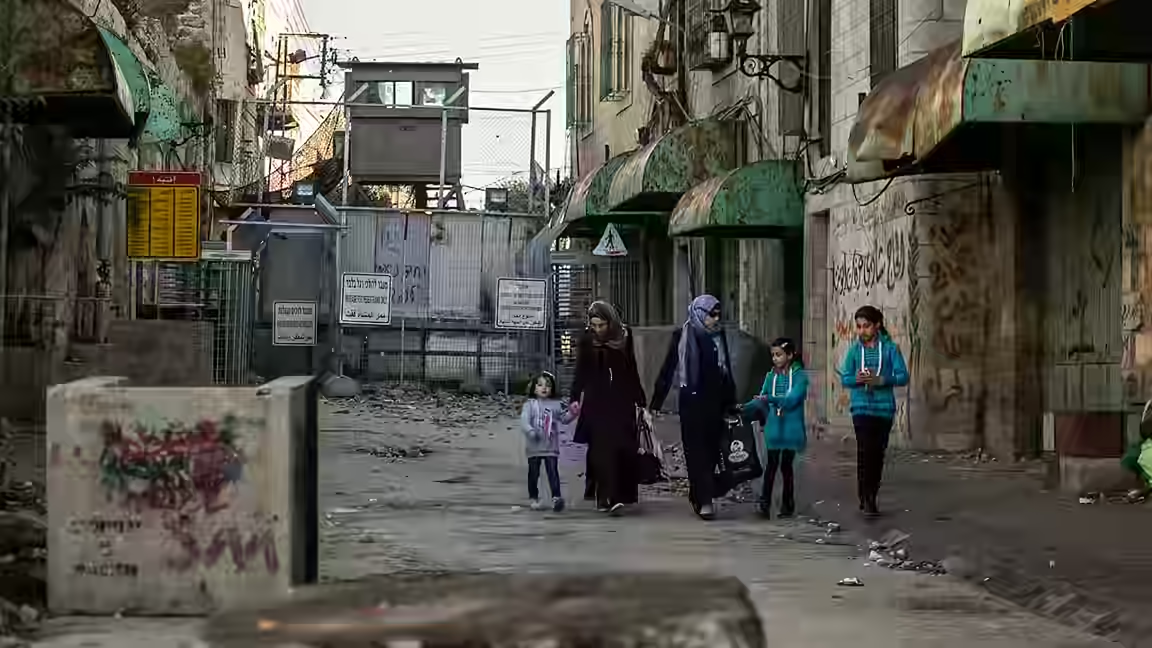
Two Israeli soldiers were killed and three others wounded when Palestinian gunmen attacked near Hebron, according to the Israeli account reported by German public broadcaster Tagesschau. Israeli forces killed both attackers. The military said the men carried an M16-style rifle and a handgun. Roadblocks were subsequently established, and Palestinian communities in the Hebron area were placed under closure.
Netanyahu said security forces had prevented a larger attack and were conducting extensive arrests. He accused Hamas of planning an operation intended to kill civilians. Hamas praised the shooting but had not directly claimed responsibility in the reporting available on October 23. The distinction matters because the government's accusation had not been independently established in the supplied evidence.
A full West Bank closure would sharply restrict movement between Palestinian towns and through checkpoints into Israel. The instruction described by the government was to prepare for that broader measure; the reporting did not establish that a territory-wide lockdown had already been fully implemented. Hebron and surrounding localities, however, were already subject to roadblocks and restrictions.
The decision came days before Israel's parliamentary election scheduled for October 27. Security policy and the conflict with Palestinians were prominent campaign issues, with right-wing politicians emphasizing a forceful response to Palestinian attacks. Tagesschau noted that closures before an election are not unprecedented. It also placed the decision within a wider environment of violence that includes attacks by radical Israeli settlers against Palestinians, an issue receiving less attention from politicians campaigning on security.
Israeli President Isaac Herzog condemned the attack and expressed hope that the wounded would recover. For Palestinians in the West Bank, expanded closures can affect access to work, medical care and travel even when residents have no connection to an attack. The immediate duration, geographic scope and exceptions to the proposed measure were not detailed in the supplied report.
The next operational question is whether the military moves from the existing Hebron-area restrictions to the complete closure requested by the government. Any assessment of the policy's effect will depend on those implementation details, as well as developments in the investigation into the attackers and the government's allegation of Hamas involvement.