Sri Lanka is cutting the work week for state institutions, schools and universities to four days as a regional fuel crisis continues to squeeze supply lines across South Asia. The move is an emergency conservation measure, not a normal labour policy, and it reflects how quickly the Middle East conflict is feeding into day-to-day life far from the battlefield.
The Guardian reported on March 16, 2026, that the shorter week would begin on Wednesday. Civil servants were being told to work from home where possible, and the government was urging the private sector to follow suit and make Wednesdays a holiday if it could. Officials said the goal was to preserve fuel and gas reserves while fresh shipments remained delayed.
The pressure on Sri Lanka is part of a wider regional problem. The report says the Strait of Hormuz, a vital route for oil and gas shipments to South Asia, had effectively been shut for two weeks because of the war between the United States and Israel and Iran’s retaliation. Countries in the region were said to have only a few weeks of supply left in some cases.
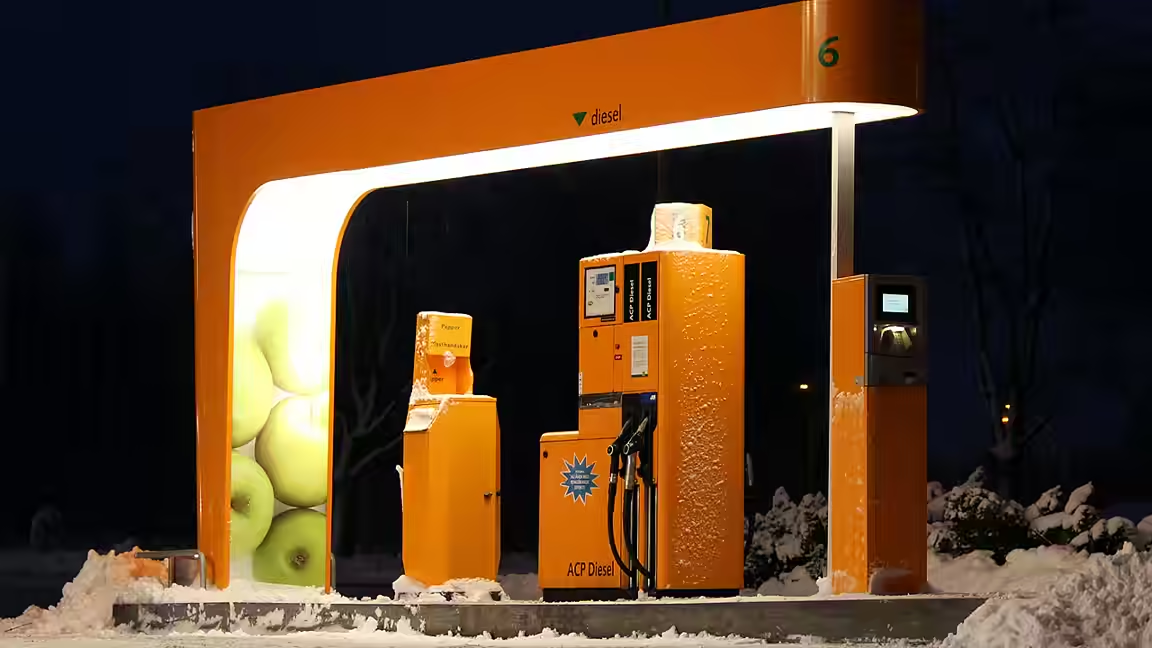
Sri Lanka has already started rationing fuel. Long lines formed outside petrol stations, and motorists were limited to 15 litres of petrol or diesel a week. Public transport, by contrast, was allocated up to 200 litres. Officials said petrol and diesel reserves could last nearly six weeks, but they warned that any further disruption to imports would hit the island hard.
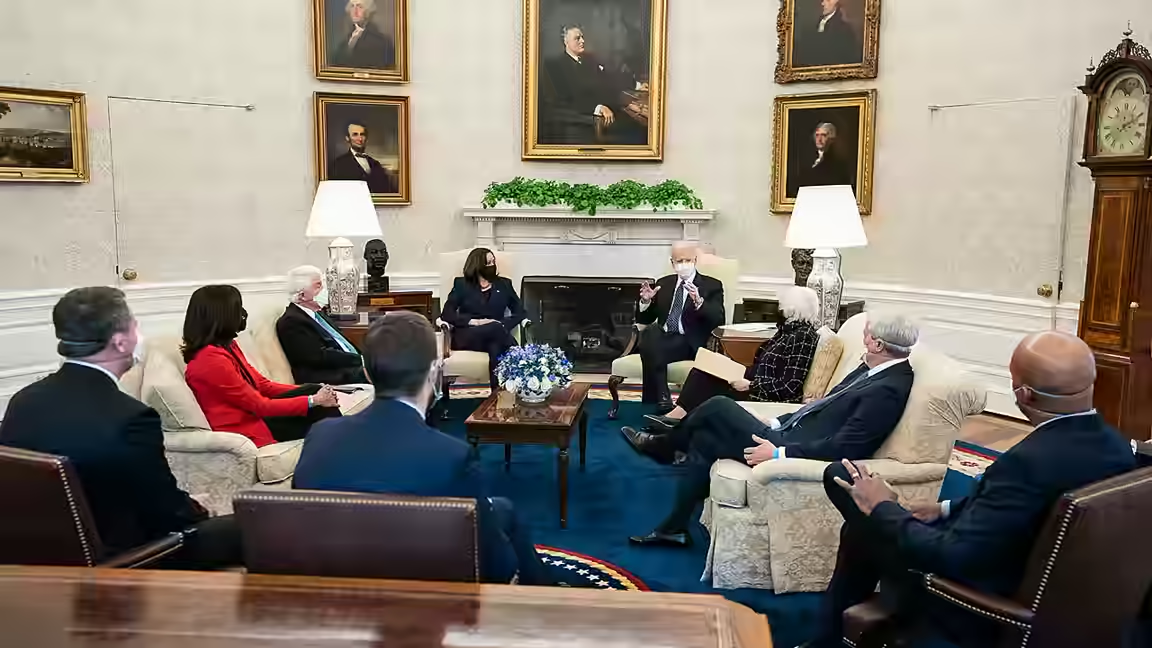
Essential services are meant to keep running. Hospitals, ports and emergency services were specifically carved out from the work-week change. Prabath Chandrakeerthi, the commissioner general of essential services, said the government had taken the decision after an emergency meeting chaired by President Anura Kumara Dissanayake.
The country’s response echoes the crisis that hit Sri Lanka four years ago, when its economy was already under strain. This time the trigger is external rather than purely domestic: the closure of a major shipping route that most south Asian energy imports depend on. Bangladesh, India and Pakistan are also described as facing crisis measures of their own.
The government’s message was cautious but plain. It wants to stretch stocks, protect essential services and avoid a harsher breakdown if the conflict continues. That leaves workers, schools and businesses adjusting to fewer days on site while the island waits to see whether the shipping route can reopen.