# U.S. crude climbs past $113 as oil markets absorb war risk and supply fears
U.S. crude oil rose to more than $113 a barrel as investors reacted to the latest developments in the Iran war and the lack of a clear path toward de-escalation.
According to the packet’s NBC News report, oil prices surged on Thursday and the U.S. benchmark continued pushing higher after President Donald Trump’s address to the nation. The article says West Texas Intermediate climbed to more than $111 per barrel, up nearly 12 percent since Wednesday, and that the move marked the biggest one-day price jump in six years. Brent also rose sharply, passing $109 per barrel.
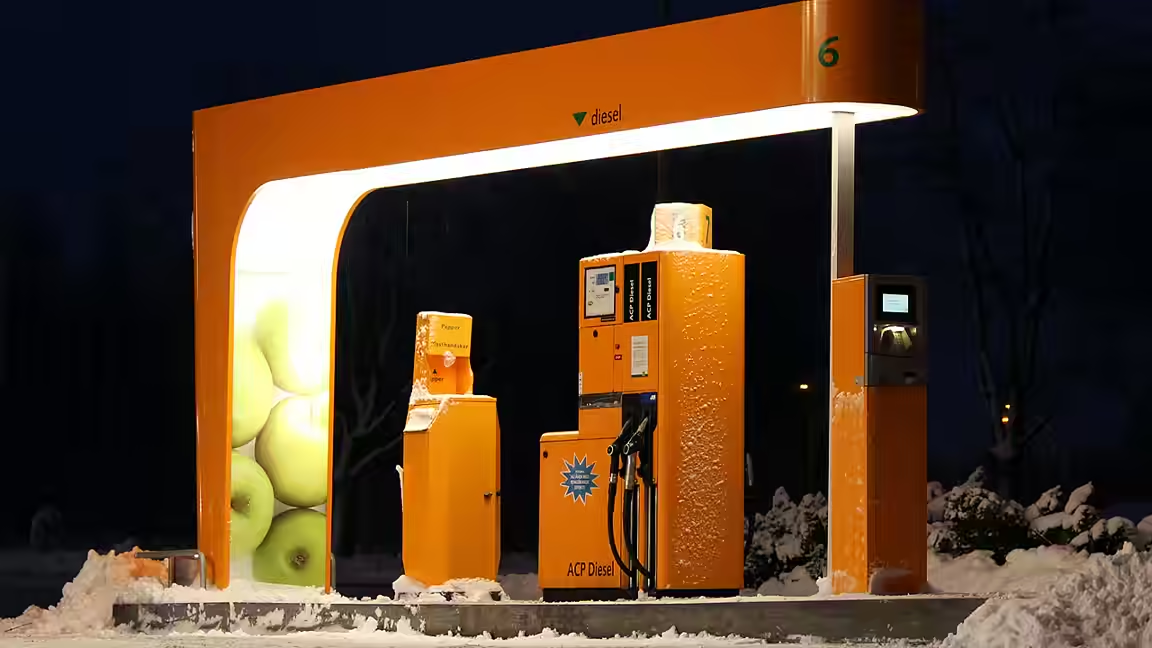
The price move is important not just for traders but for consumers. The same report says the nationwide average price of unleaded gas reached $4.08, while diesel rose to $5.51. Those figures matter because fuel costs feed directly into shipping, freight and household budgets. When diesel rises, the effect can spill into grocery prices, delivery charges and construction costs.
Markets appear to be responding as much to uncertainty as to the actual damage from the conflict. Trump said the war would end shortly, but the report notes he also pledged additional strikes over the next two to three weeks and did not lay out a structured ceasefire plan. That left traders with no clear signal that the pressure on Gulf energy flows would ease quickly.
The Strait of Hormuz remains the key risk in the background. The report says Trump did not outline a plan to reopen it, even though more than 20 percent of the world’s oil supply typically passes through the waterway. Iran’s deputy foreign minister later suggested a new navigation regime could be outlined after the war, but that comment did little to cool the oil market.
The broader backdrop is a market that is trying to price in both physical disruption and policy uncertainty. The rise in crude prices came after two days of declines, showing how quickly sentiment can reverse when investors think the conflict may deepen again. UBS Wealth Management warned that renewed U.S. escalation risks being met by an Iranian response and more damage in the Gulf.
For U.S. households, the immediate story is simpler: oil is more expensive, gasoline is more expensive and diesel is more expensive. That will continue to pressure inflation expectations if the conflict keeps the supply outlook tight. The packet’s evidence supports that conclusion without needing to guess how long the rally will last.