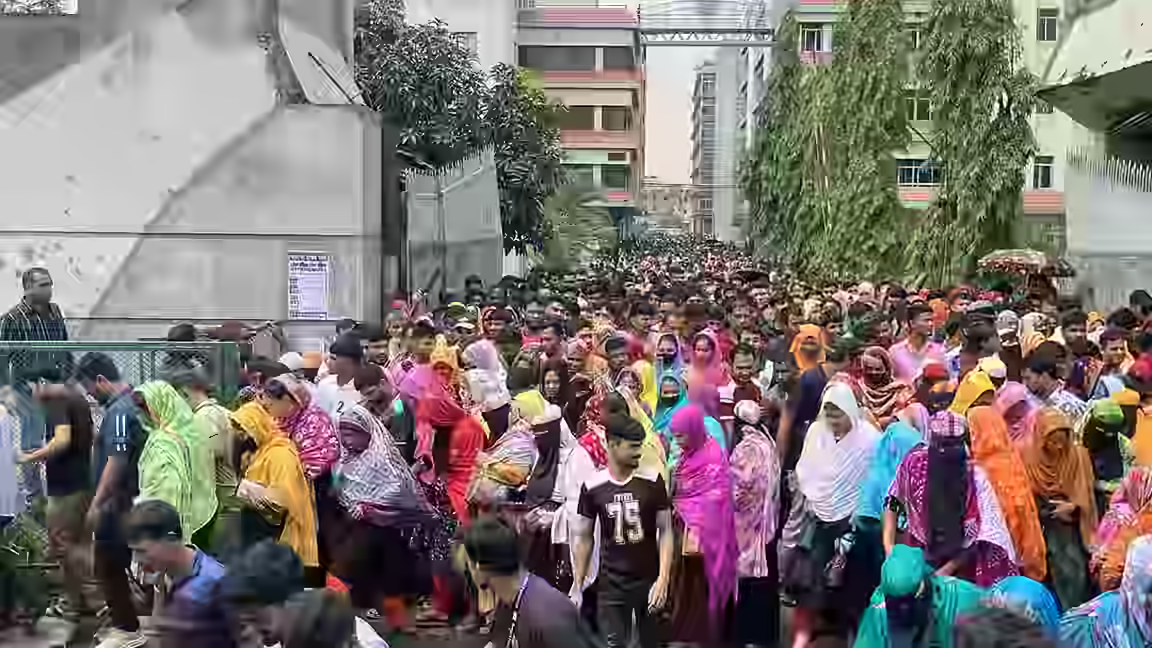
Thousands of people demonstrated across Greece on November 25 during a 24-hour strike over living costs, wages and public services. The walkout interrupted metro services in Athens, kept ferries in port and grounded flights serving 15 regional airports.
Police estimated that about 14,000 people joined marches in Athens and Thessaloniki. Civil servants, dockworkers and teachers were among the groups represented by unions that called the action. Telecommunications staff responsible for flight-information services also stopped work, causing the regional airport disruption.
The ADEDY civil servants' union said workers were resisting high prices, stagnant pay, energy insecurity and inadequate funding for health and education. Demonstrators described household budgets that no longer lasted through the month and said improvements in headline economic indicators had not translated into stronger purchasing power.
The economic backdrop helps explain the dispute. The European Commission expected Greece's economy to grow by 1.8 percent in 2026, compared with 1.1 percent across the eurozone. At the same time, Greece's national statistics authority recorded annual inflation of 5.7 percent in October. The gross monthly minimum wage stood at 968 euros, while housing costs and rents had risen amid the post-pandemic tourism boom.
Those figures create a sharp contrast between continued national growth and the pressure reported by workers and pensioners. An 82-year-old retired engineer told AFP that a pension of 1,500 euros provided less than one-third of the purchasing power it had 15 years earlier. A civil servant in Thessaloniki said official claims that the economy was improving did not match daily experience.
Prime Minister Kyriakos Mitsotakis, whose conservative government is seeking a third term in the next national election, has pledged to raise the minimum wage to 1,000 euros in early 2028 if re-elected. The strike's demands were broader, including immediate wage improvements, restored public-sector bonuses and more support for essential services.
The stoppages demonstrated the unions' ability to disrupt transport nationally, but the supplied reporting did not identify a new offer or negotiation resulting from the action. Ferries, urban transport and regional aviation bore the most visible impact for travellers. The political effect will depend on whether the government changes its wage or spending plans and whether unions organise further action as the election approaches.
The action brought together public employees and transport workers whose grievances overlap but are not identical. For commuters and travellers, the immediate consequence was cancelled or limited service. For unions, the shutdown was a way to make wage, housing-cost and public-spending demands visible across the country before the next election.